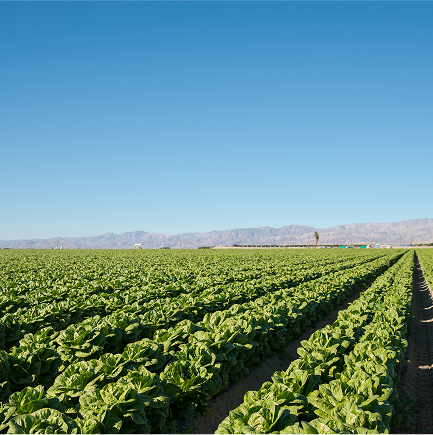
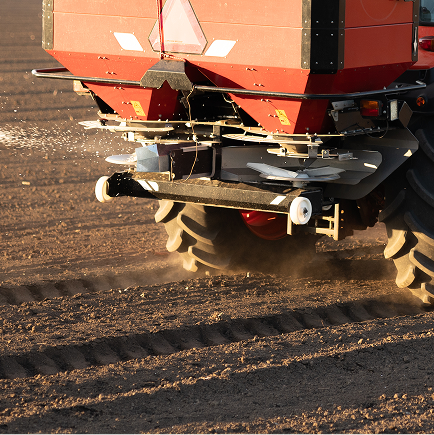
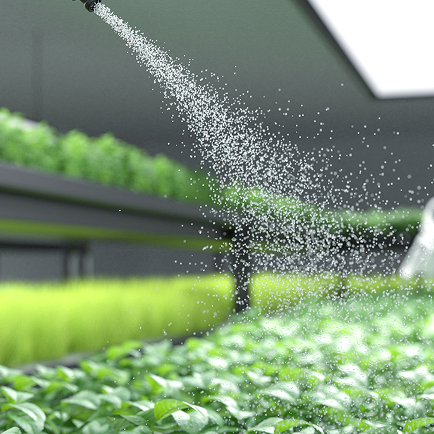
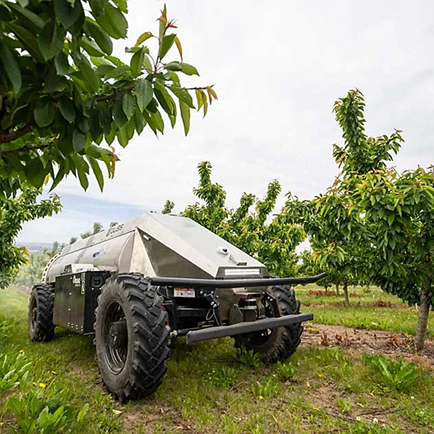
Select an industry to see the operational challenges, the Mach products that solve them, and the path to fleet-wide deployment.
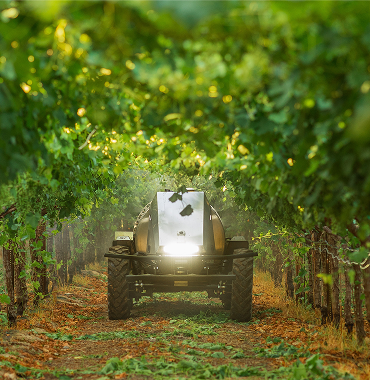
Autonomous spraying, harvesting, and field operations across row crop, specialty crop, and orchard acreage.
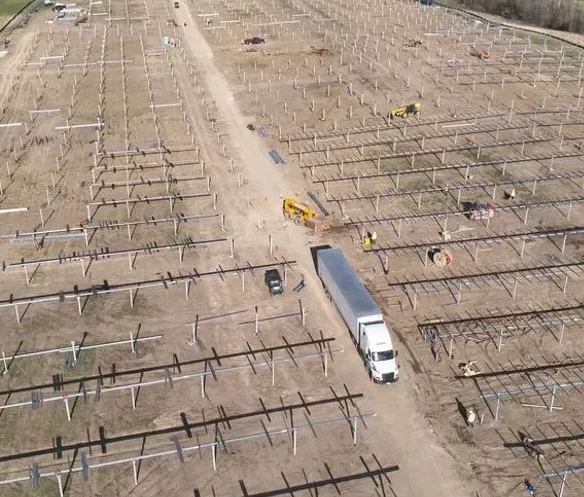
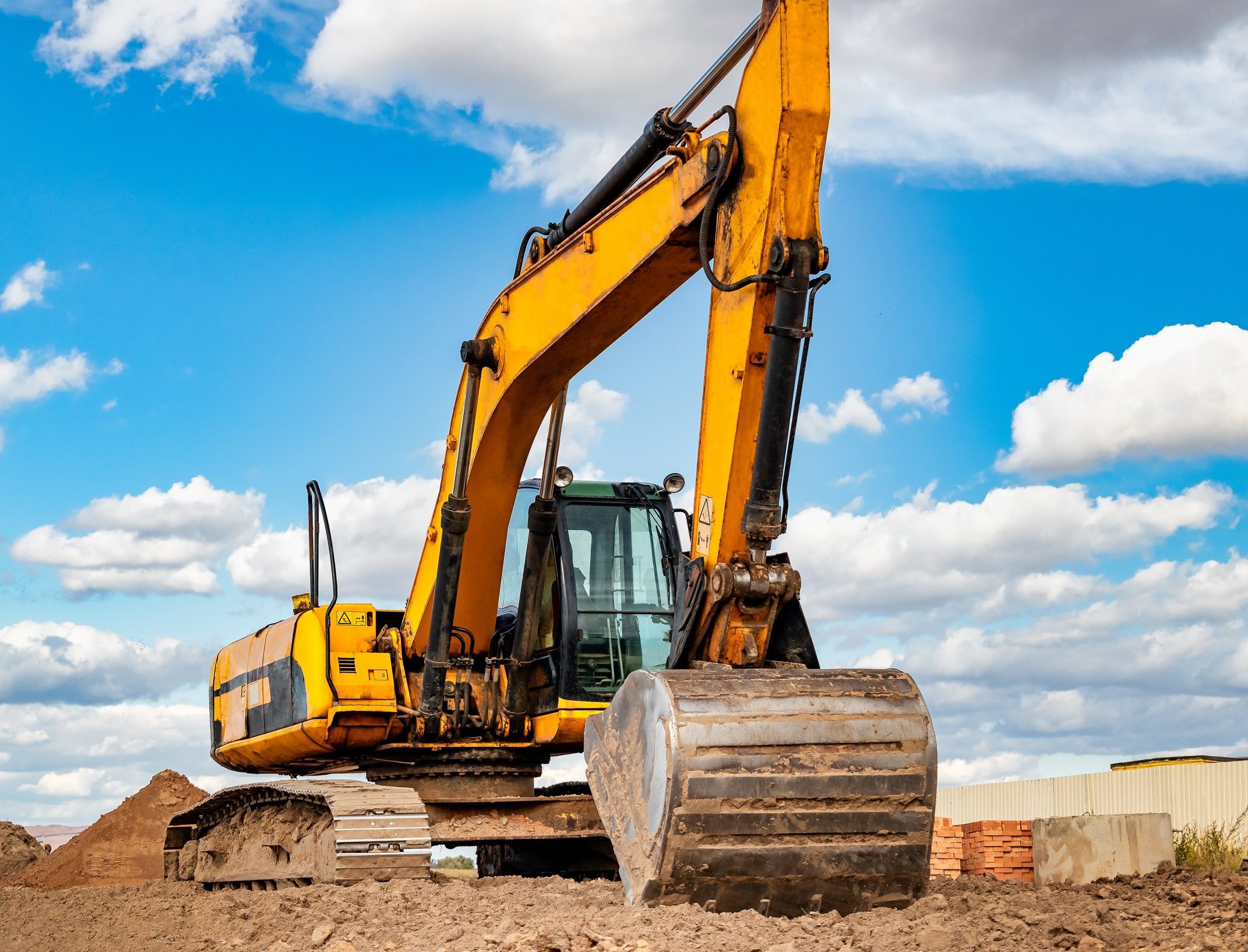
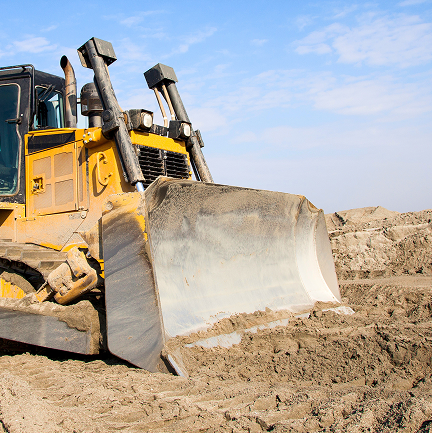
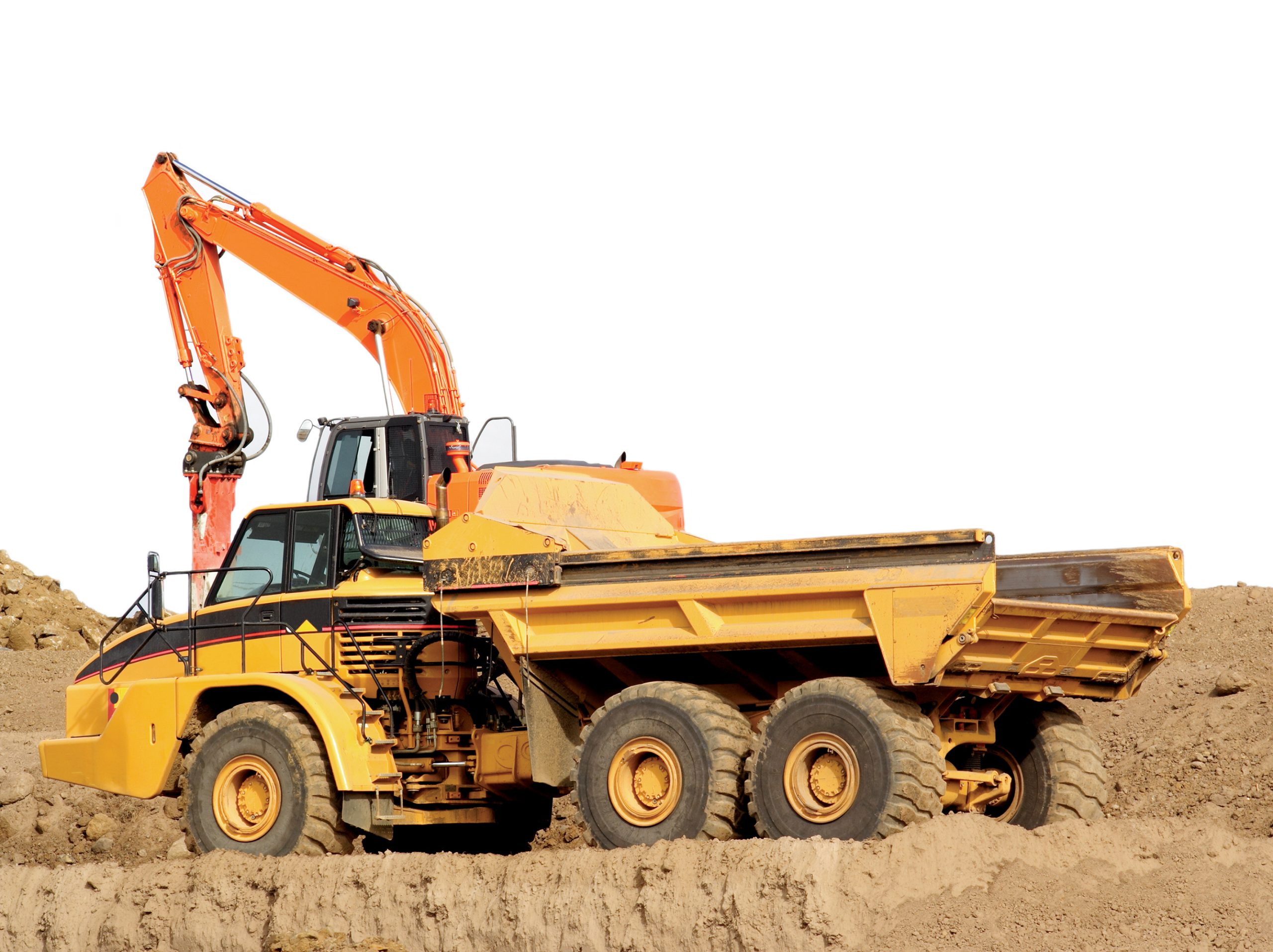
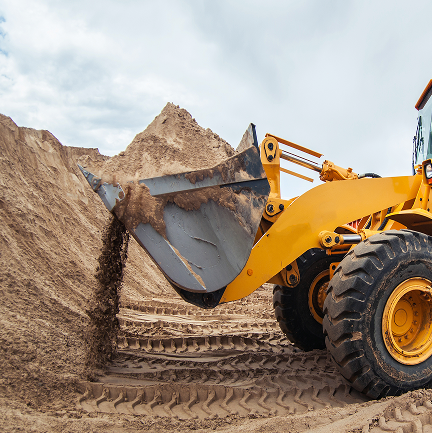
Autonomous excavators, dozers, ADTs, and wheel loaders for earthmoving, grading, and solar-field construction.
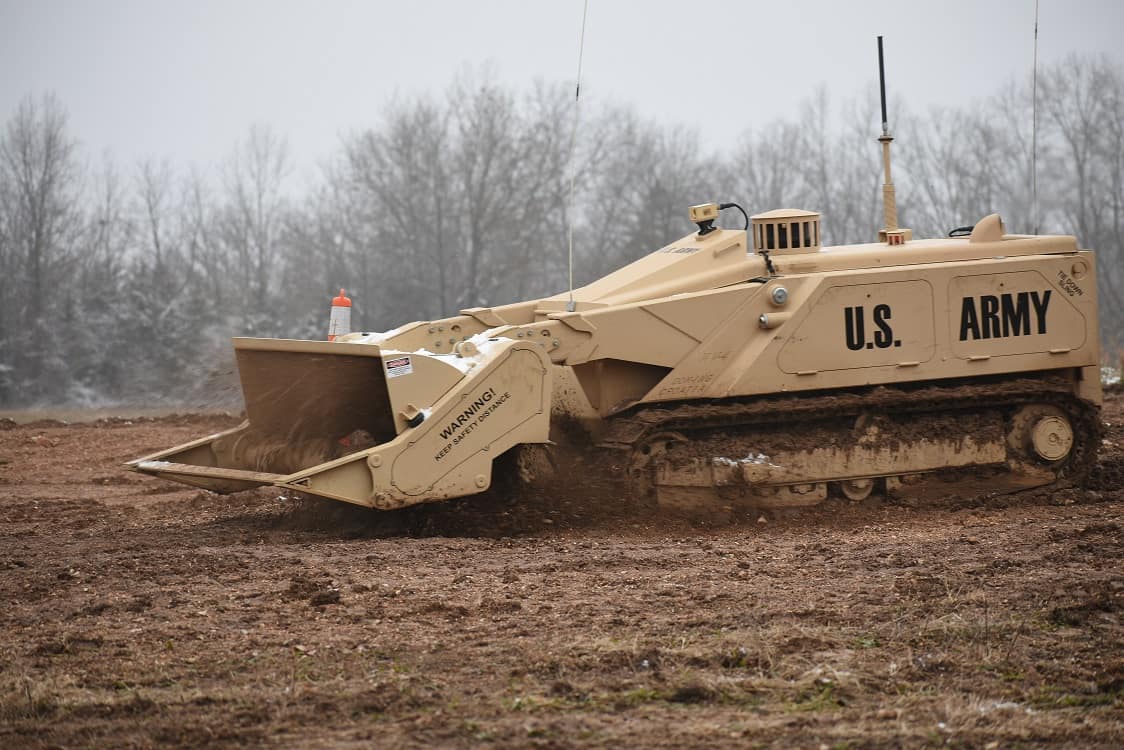
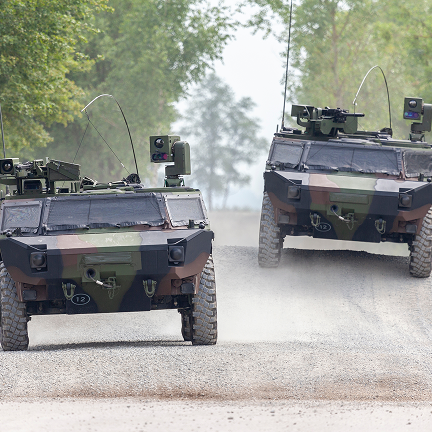
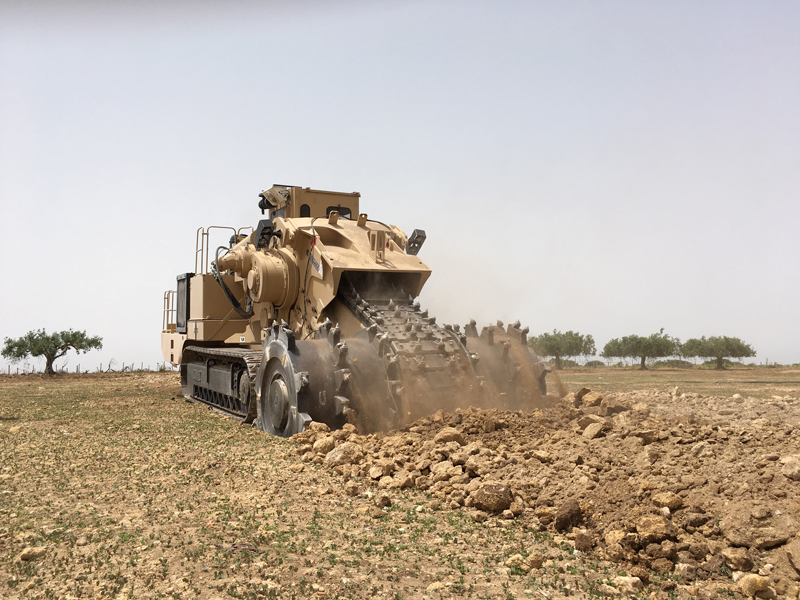
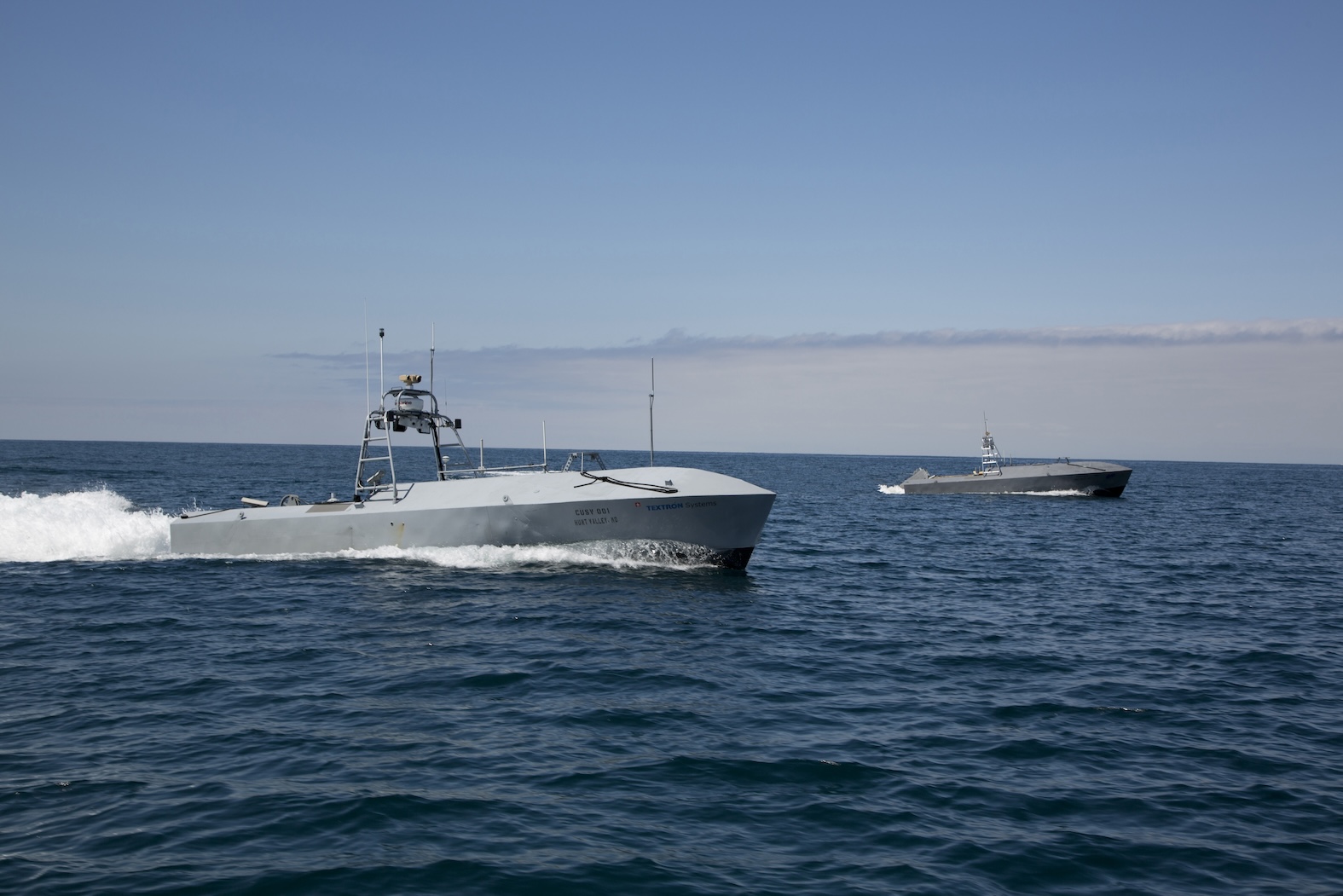
Unmanned ground and surface systems for perimeter security, last-mile resupply, mine clearing, search and rescue, and maritime surveillance
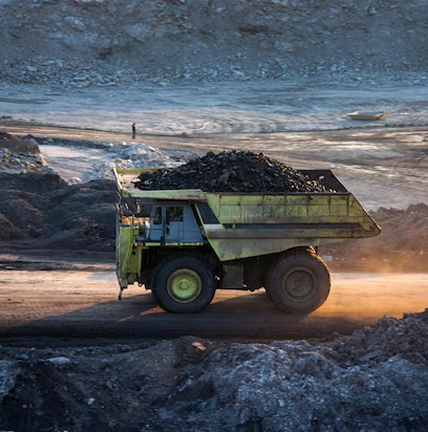
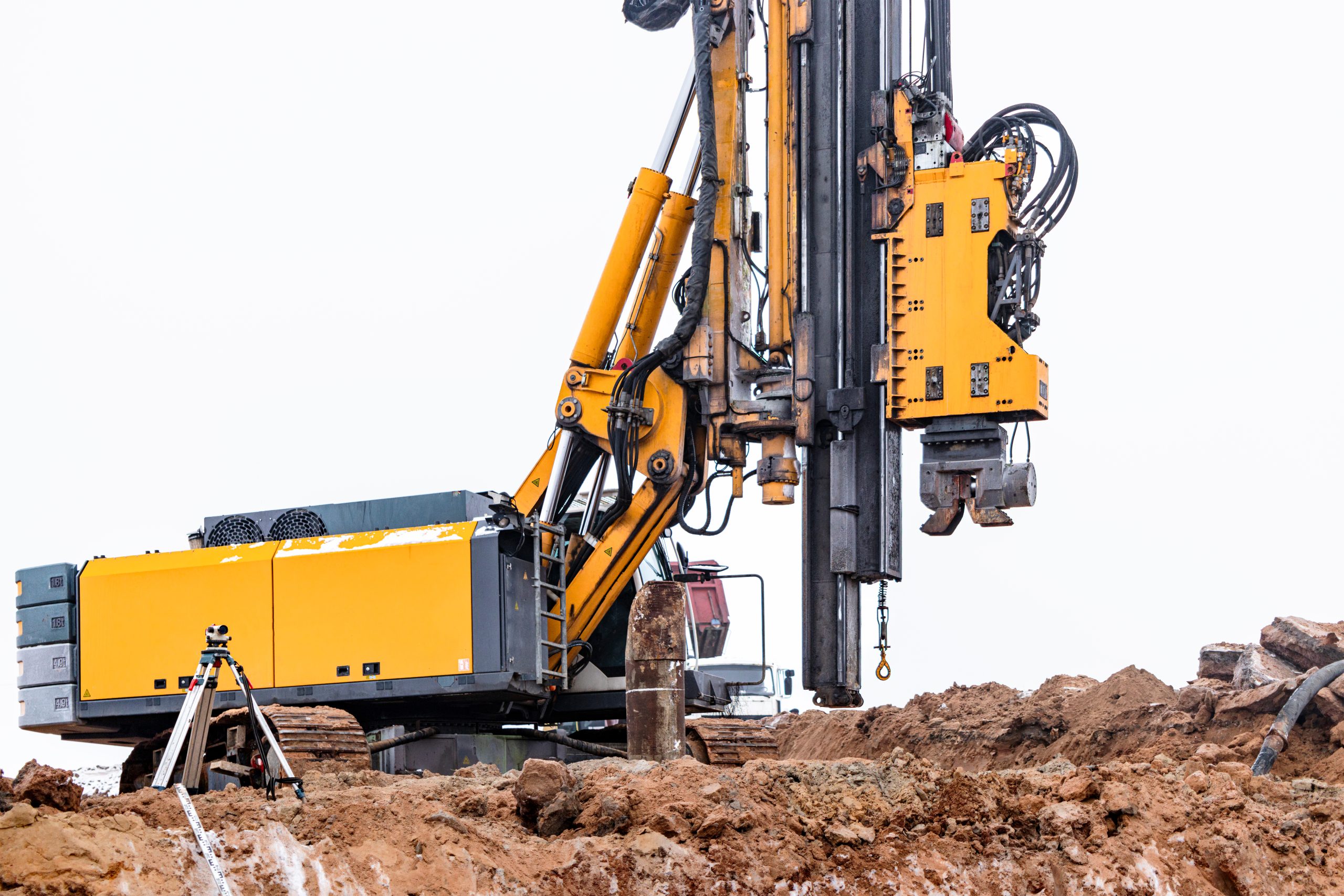
Autonomous haul trucks, drilling rigs, surface miners, and material handling across pits, quarries, and remote mine sites.
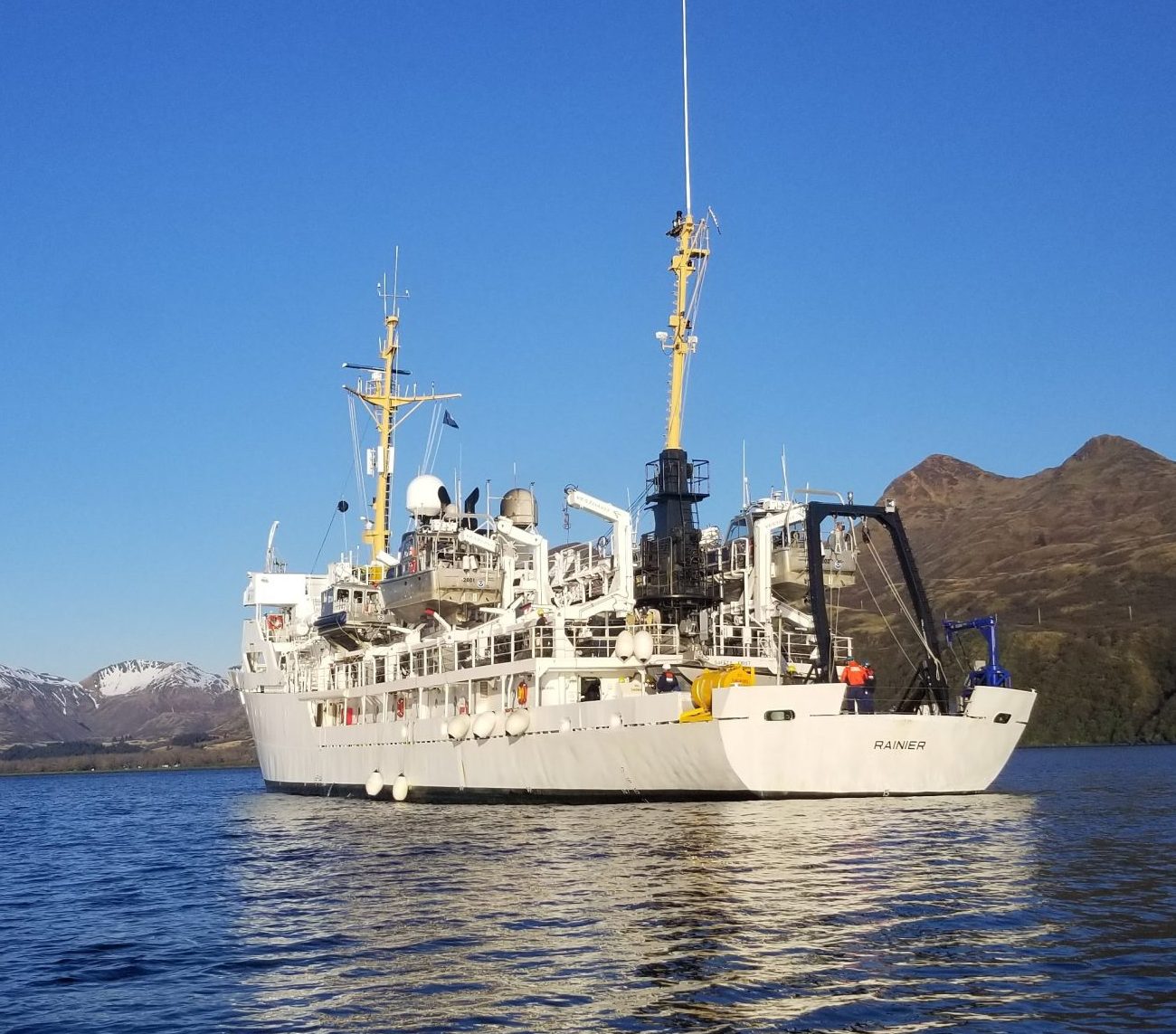
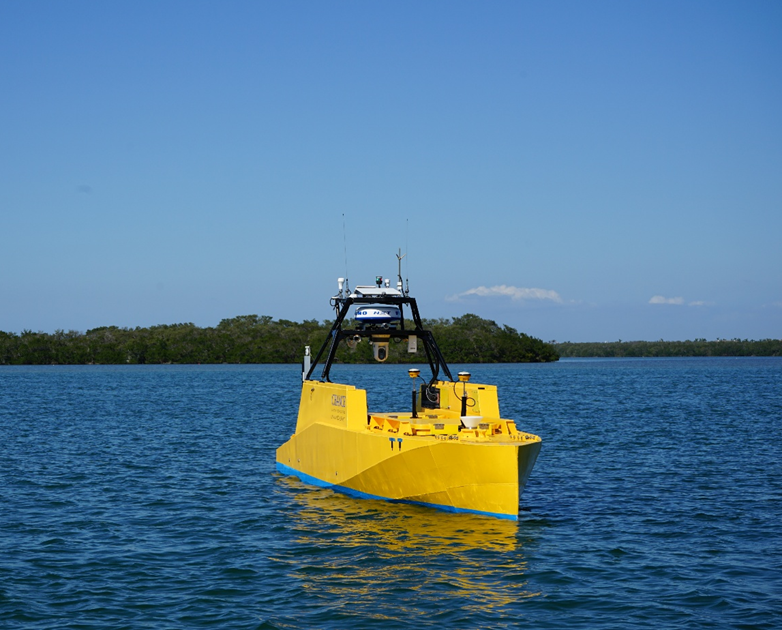
COLREGs-compliant unmanned surface vessels for fisheries surveillance, environmental monitoring, hydrographic survey, and port operations.
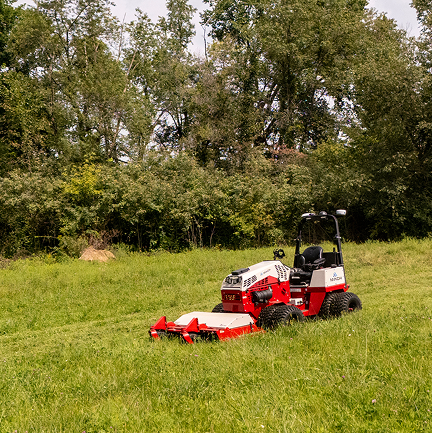
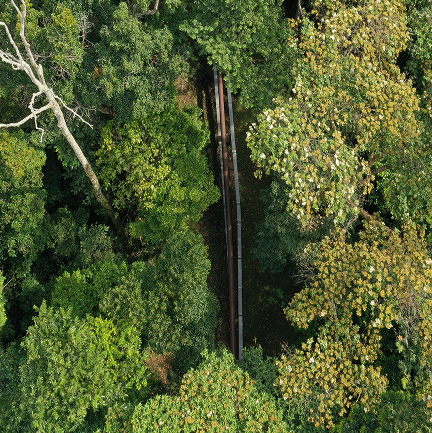
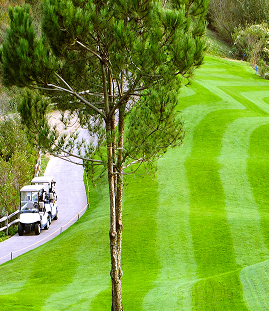
Autonomous mowing, land clearing, and vegetation maintenance for utility corridors, solar fields, roadside ROW, and turf.
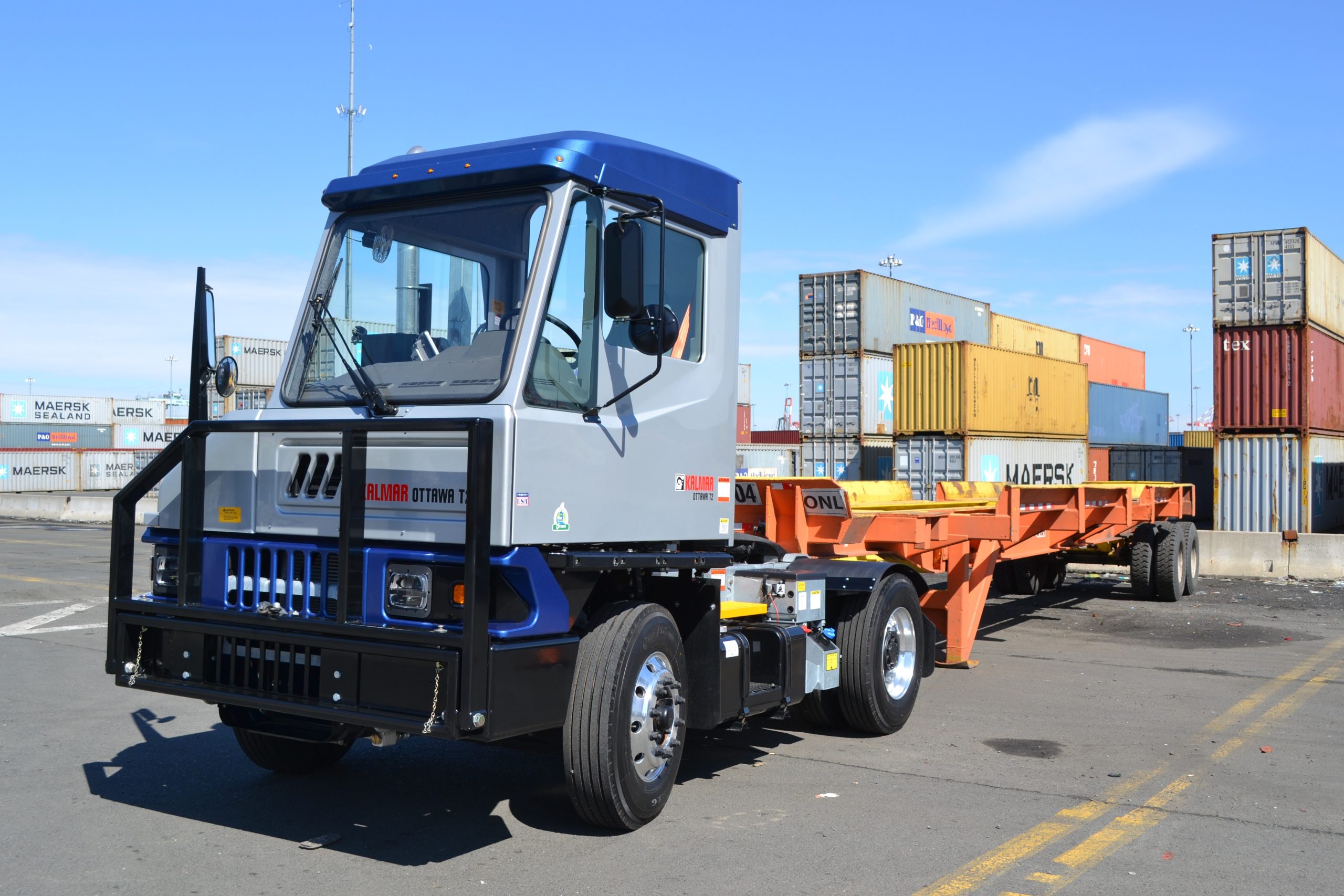
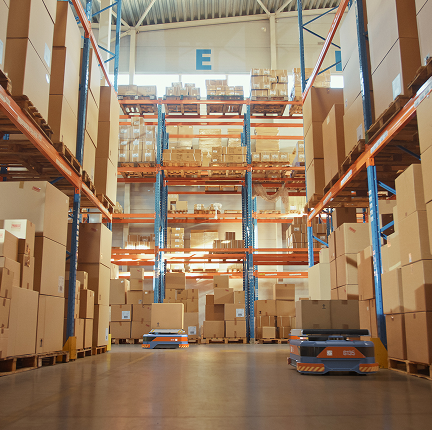
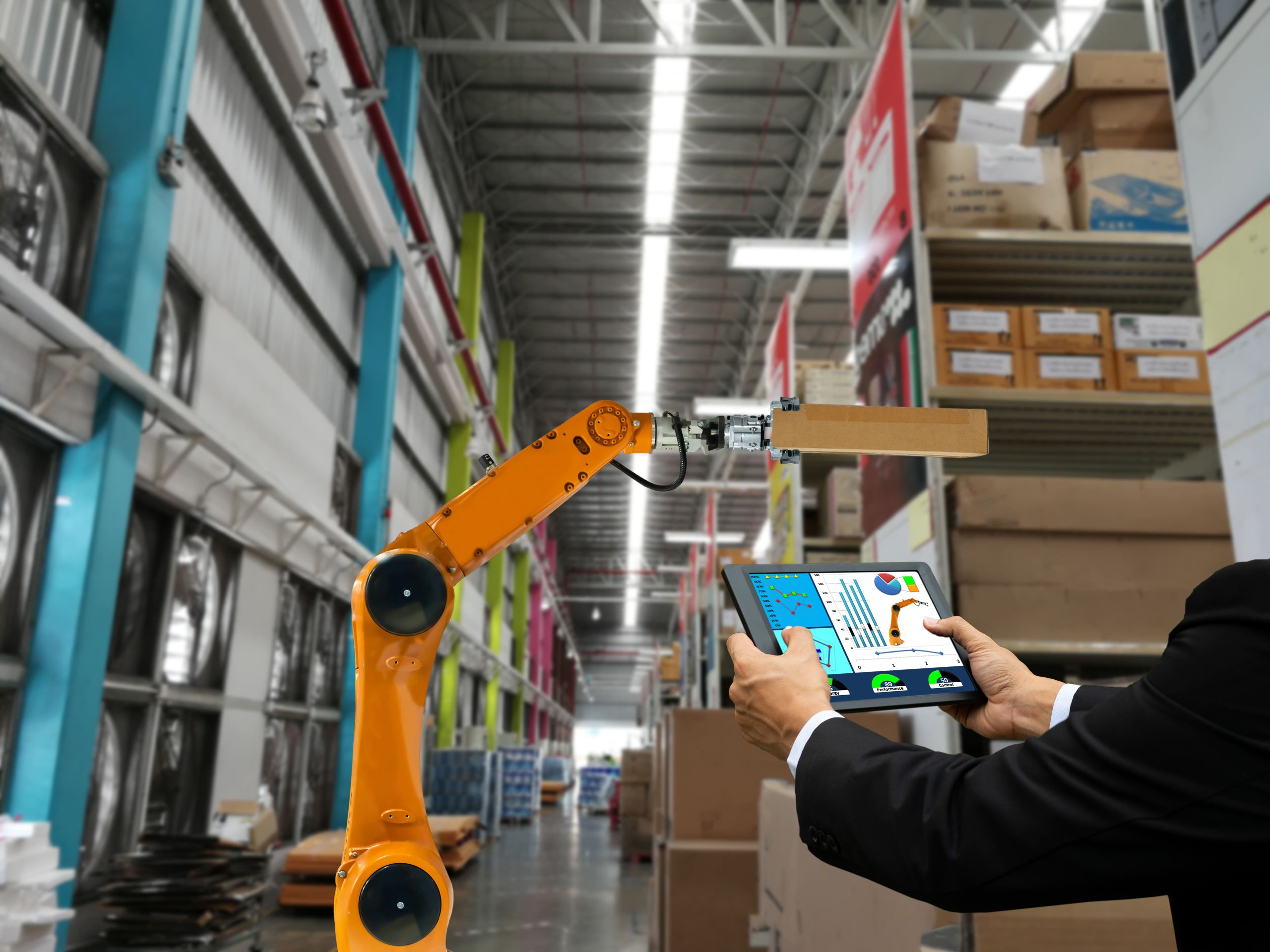
Autonomous forklifts, yard trucks, and AMRs for warehouse, yard, and port material handling operations.
Autonomous spraying, harvesting, and field operations across row crop, specialty crop, and orchard acreage.
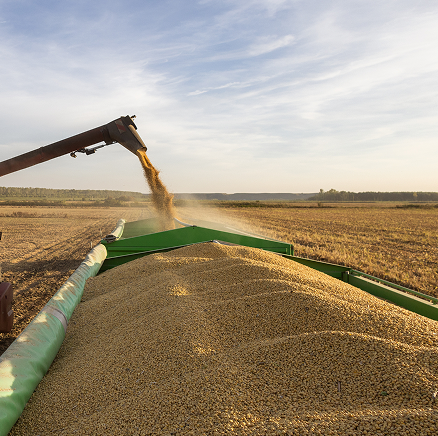
Mach transforms harvesting logistics through fully autonomous crop haulage machinery.
Our technology autonomously pairs multiple machines with harvesters for loading, dynamically dispatching vehicles without manual intervention.
Real-time fleet management via an intuitive tablet-based interface ensures seamless coordination of equipment movements—minimizing downtime and maximizing harvest efficiency.
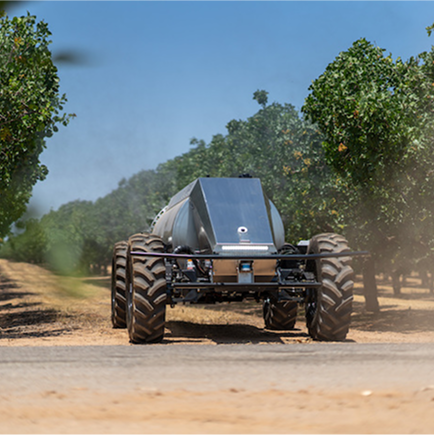
Mach partnered with GUSS Automation to revolutionize precision spraying in orchards and vineyards, addressing challenges like labor shortages, tight operating spaces, and unreliable GNSS signals beneath dense canopies.
Leveraging advanced Lidar-based navigation, intuitive mapping interfaces, and seamless vehicle integration, Mach enabled GUSS’s autonomous sprayers to navigate challenging orchard environments without GNSS dependency.
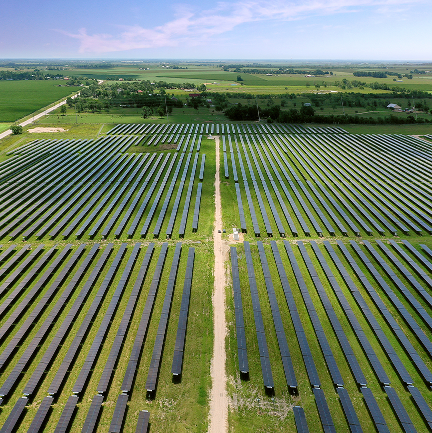
With hundreds of autonomous sprayers deployed across more than 2 million acres, growers have achieved increased yield and crop quality, reduced chemical usage and operational costs by up to 35%, and enhanced sustainability through targeted spraying practices.
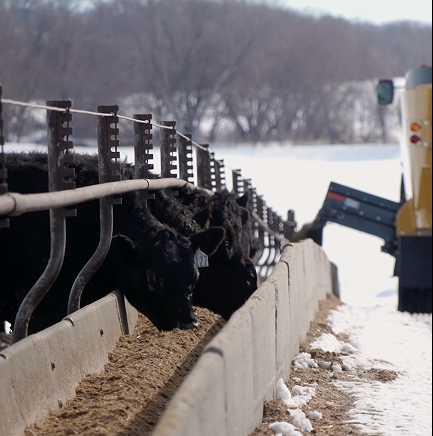
Mach’s autonomous solutions extend to livestock management, automating feeding processes in dairies and feed yards. Using Mach Perception’s advanced stereo vision and radar, our systems enable autonomous feed delivery vehicles to navigate barn or yard environments, detect obstacles like animals or equipment, and distribute precise amounts of feed based on real-time data from Mach Ops.
For dairies, this ensures consistent feeding schedules that improve milk production, while in feed yards, it optimizes feed distribution to enhance cattle growth rates.
This reduces labor demands and minimizes feed waste, addressing the high labor costs and inefficiencies often faced in livestock operations.
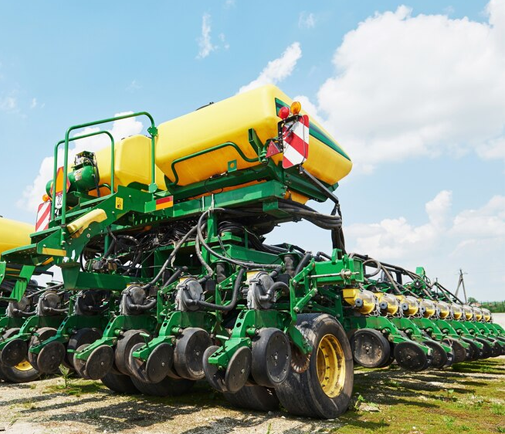
For row crops like corn, soybeans, and wheat, Mach enables autonomous tractors and implements to perform precision planting, spraying, and harvesting.
Mach Command ensures centimeter-level accuracy in planting patterns, while Mach Perception’s sensor fusion (combining stereo vision, radar, and Lidar) allows for real-time obstacle detection and row-following in challenging field conditions.
Mach Ops provides fleet coordination, enabling multiple machines to work together seamlessly, reducing overlap and improving efficiency.
This results in higher yields and lower input costs, addressing the labor shortages and resource constraints common in large-scale row crop farming.
Mach’s technology supports specialty crop growers, such as those producing tomatoes, lettuce, and other high-value crops, by enabling autonomous harvesting and weeding.
Mach Perception uses advanced computer vision to identify ripe produce—like tomatoes or lettuce heads—and guide robotic arms for gentle, precise picking, minimizing damage to delicate crops. For weeding, RadX Phased Array Radar penetrates dense foliage to detect weeds, enabling targeted removal without chemicals.
This reduces labor needs and supports sustainable practices, critical for specialty crop markets facing high labor costs and consumer demand for organic produce.
Mach enhances precision agriculture with implement automation for rate and section control, optimizing the application of seeds, fertilizers, and pesticides.
Mach Command integrates with smart implements to adjust application rates in real-time based on soil conditions, detected via Mach Perception’s sensors.
Section control ensures inputs are applied only where needed, reducing waste and environmental impact.
For example, in variable-rate seeding, Mach’s technology adjusts seed density based on soil fertility maps, improving yields while conserving resources—a key benefit for farmers aiming to balance productivity with sustainability.
Mach’s technology can be adapted for vertical farming and indoor agriculture, where precision and automation are critical.
Mach Perception’s sensors monitor environmental factors like light, humidity, and nutrient levels, enabling autonomous systems to adjust conditions for optimal plant growth.
Mach Command powers robotic arms for planting, tending, and harvesting in stacked systems, while Mach Nexus ensures seamless machine-to-machine communication in controlled environments.
This is ideal for urban farms growing leafy greens, herbs, or microgreens, where labor costs are high and space is limited.
For agroforestry systems and perennial crops like coffee, cocoa, or nut trees, Mach offers autonomous solutions for monitoring, maintenance, and harvesting.
Mach Perception’s sensors, including RadX radar, penetrate dense canopies to assess tree health, detect pests, or identify ripe fruit.
Autonomous vehicles equipped with Mach Command can navigate uneven terrain, performing tasks like pruning or targeted spraying.
Mach Ops enables long-term data collection to optimize intercropping strategies, supporting biodiversity and sustainability in agroforestry systems.
Mach’s RadX radar technology provides unparalleled visibility in challenging conditions. Unlike traditional sensors limited by dust, fog, or vegetation cover, RadX penetrates environmental obstacles to deliver accurate crop mass measurements, header height control, yield estimations, and vine cordon detection.
This ensures optimal harvesting performance even in adverse conditions, enhancing the precision of automated implements across all agricultural applications.
Skilled operators are scarce during planting and spray windows; missed windows cost yield.
Overlap, drift, and over-application waste chemical and fuel on every imprecise pass.
Fields span large areas with inconsistent cellular coverage, breaking fleet visibility mid-operation.
Mach Command handles centralized navigation, dynamic path planning, and precise implement control for spraying and harvesting passes, while Perception and RadX fuse stereo vision, Lidar, and radar to hold guidance and obstacle detection steady in dust and variable canopy.
Centralized navigation and dynamic path planning with precise implement control, built for rugged field reliability.
Stereo vision, radar, and Lidar sensor fusion for row detection, obstacle avoidance, and depth mapping in the field.
M2M communication and OTA updates keep every sprayer or harvester in a group connected and coordinated.
“GUSS Automation has deployed hundreds of autonomous sprayers across more than two million acres, reducing chemical usage and operational costs by up to 35% while running coordinated multi-machine spray passes with no operator in the cab.
— GUSS Automation, Autonomous Orchard & Row-Crop Spraying
Chemical & Cost Reduction
Precision multi-machine spray coordination cuts overlap and over-application.
Acres Sprayed Autonomously
Deployed across row-crop, orchard, and specialty acreage in commercial operation.
Acres / Operator-Hour
One operator overseeing a coordinated multi-machine spray group.
Unplanned Downtime
Remote diagnostics and OTA updates catch issues before field failure.
Review sprayer or harvester architecture, CAN bus, and electrical system.
Validate single-machine autonomy in representative field conditions.
Scale to multi-machine coordination with OTA fleet management.
// Ready to scope Agriculture integration?
Autonomous excavators, dozers, ADTs, and wheel loaders for earthmoving, grading, and solar-field construction.
Mach transforms harvesting logistics through fully autonomous crop haulage machinery.
Our technology autonomously pairs multiple machines with harvesters for loading, dynamically dispatching vehicles without manual intervention.
Real-time fleet management via an intuitive tablet-based interface ensures seamless coordination of equipment movements—minimizing downtime and maximizing harvest efficiency.
Mach partnered with GUSS Automation to revolutionize precision spraying in orchards and vineyards, addressing challenges like labor shortages, tight operating spaces, and unreliable GNSS signals beneath dense canopies.
Leveraging advanced Lidar-based navigation, intuitive mapping interfaces, and seamless vehicle integration, Mach enabled GUSS’s autonomous sprayers to navigate challenging orchard environments without GNSS dependency.
With hundreds of autonomous sprayers deployed across more than 2 million acres, growers have achieved increased yield and crop quality, reduced chemical usage and operational costs by up to 35%, and enhanced sustainability through targeted spraying practices.
Mach’s autonomous solutions extend to livestock management, automating feeding processes in dairies and feed yards. Using Mach Perception’s advanced stereo vision and radar, our systems enable autonomous feed delivery vehicles to navigate barn or yard environments, detect obstacles like animals or equipment, and distribute precise amounts of feed based on real-time data from Mach Ops.
For dairies, this ensures consistent feeding schedules that improve milk production, while in feed yards, it optimizes feed distribution to enhance cattle growth rates.
This reduces labor demands and minimizes feed waste, addressing the high labor costs and inefficiencies often faced in livestock operations.
For row crops like corn, soybeans, and wheat, Mach enables autonomous tractors and implements to perform precision planting, spraying, and harvesting.
Mach Command ensures centimeter-level accuracy in planting patterns, while Mach Perception’s sensor fusion (combining stereo vision, radar, and Lidar) allows for real-time obstacle detection and row-following in challenging field conditions.
Mach Ops provides fleet coordination, enabling multiple machines to work together seamlessly, reducing overlap and improving efficiency.
This results in higher yields and lower input costs, addressing the labor shortages and resource constraints common in large-scale row crop farming.
Mach’s technology supports specialty crop growers, such as those producing tomatoes, lettuce, and other high-value crops, by enabling autonomous harvesting and weeding.
Mach Perception uses advanced computer vision to identify ripe produce—like tomatoes or lettuce heads—and guide robotic arms for gentle, precise picking, minimizing damage to delicate crops. For weeding, RadX Phased Array Radar penetrates dense foliage to detect weeds, enabling targeted removal without chemicals.
This reduces labor needs and supports sustainable practices, critical for specialty crop markets facing high labor costs and consumer demand for organic produce.
Mach enhances precision agriculture with implement automation for rate and section control, optimizing the application of seeds, fertilizers, and pesticides.
Mach Command integrates with smart implements to adjust application rates in real-time based on soil conditions, detected via Mach Perception’s sensors.
Section control ensures inputs are applied only where needed, reducing waste and environmental impact.
For example, in variable-rate seeding, Mach’s technology adjusts seed density based on soil fertility maps, improving yields while conserving resources—a key benefit for farmers aiming to balance productivity with sustainability.
Mach’s technology can be adapted for vertical farming and indoor agriculture, where precision and automation are critical.
Mach Perception’s sensors monitor environmental factors like light, humidity, and nutrient levels, enabling autonomous systems to adjust conditions for optimal plant growth.
Mach Command powers robotic arms for planting, tending, and harvesting in stacked systems, while Mach Nexus ensures seamless machine-to-machine communication in controlled environments.
This is ideal for urban farms growing leafy greens, herbs, or microgreens, where labor costs are high and space is limited.
For agroforestry systems and perennial crops like coffee, cocoa, or nut trees, Mach offers autonomous solutions for monitoring, maintenance, and harvesting.
Mach Perception’s sensors, including RadX radar, penetrate dense canopies to assess tree health, detect pests, or identify ripe fruit.
Autonomous vehicles equipped with Mach Command can navigate uneven terrain, performing tasks like pruning or targeted spraying.
Mach Ops enables long-term data collection to optimize intercropping strategies, supporting biodiversity and sustainability in agroforestry systems.
Mach’s RadX radar technology provides unparalleled visibility in challenging conditions. Unlike traditional sensors limited by dust, fog, or vegetation cover, RadX penetrates environmental obstacles to deliver accurate crop mass measurements, header height control, yield estimations, and vine cordon detection.
This ensures optimal harvesting performance even in adverse conditions, enhancing the precision of automated implements across all agricultural applications.
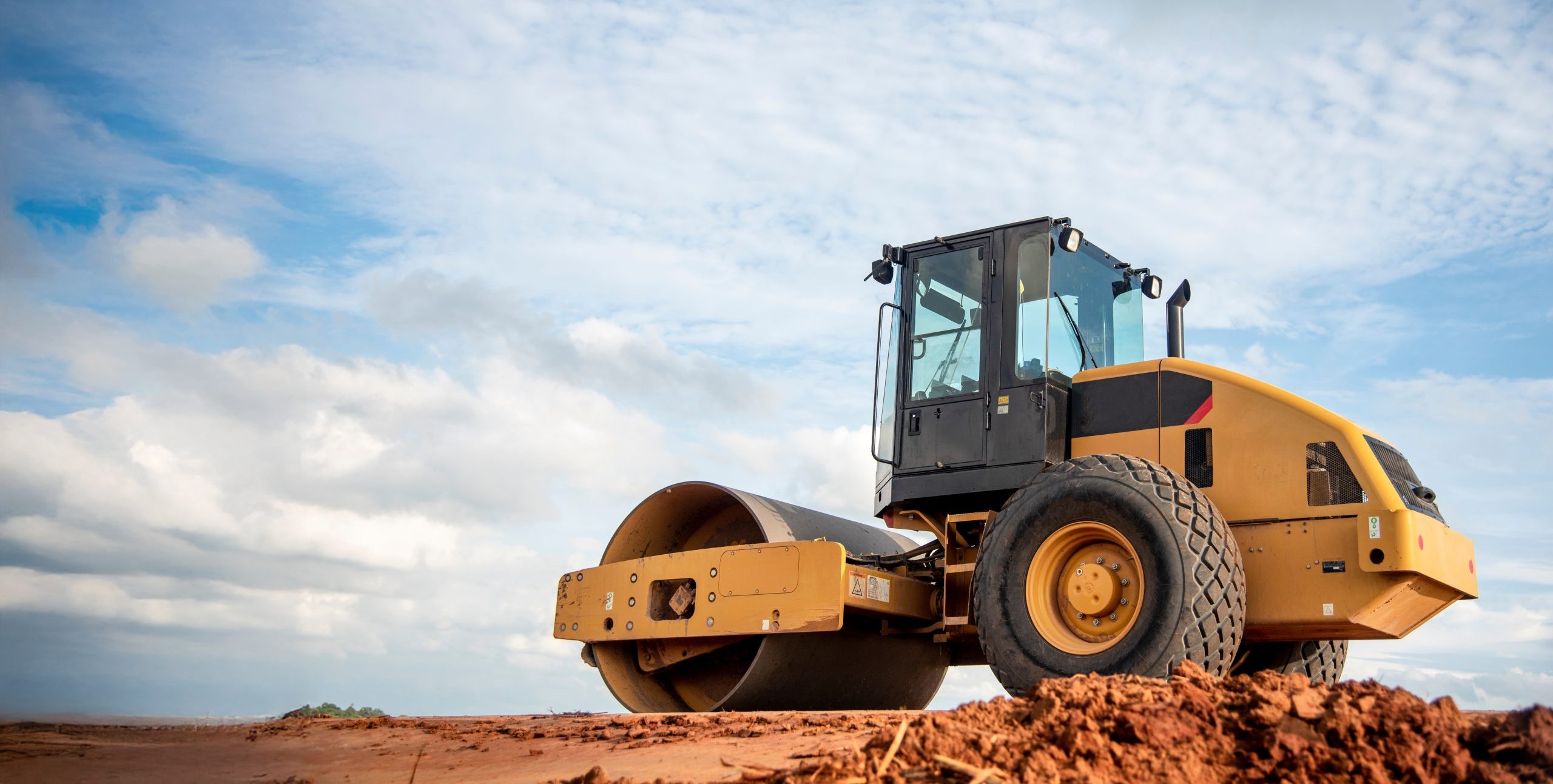
Personnel, equipment, and terrain change daily across excavation, grading, and solar-field builds.
Active sites often have spotty cellular, breaking remote diagnostics and teleoperation links.
Reactive maintenance discovers failures in the field, stalling schedules and crews.
Mach Perception maintains continuous personnel and site awareness across excavators, dozers, ADTs, and wheel loaders, while RadX adds radar detection through dust and debris and Mach Ops gives site managers a remote view for teleoperation and monitoring.
Real-time site and personnel awareness across dynamic, ever-changing job sites.
Phased array radar detection that holds up through dust,debris, and low visibility on active sites.
Cloud-based fleet management with a UI for remote site monitoring, planning, and teleoperation.
“An earthmoving OEM integrated Mach Perception and RadX across excavators and ADTs to maintain reliable personnel detection through dust and debris, while Mach Ops gave site managers remote visibility and teleoperation control without adding crew on-site.”
— Earthmoving Platform, Active Job-Site Deployment
Site Incident Rate
Continuous personnel and equipment awareness across the active site.
Service Visit Frequency
Remote diagnostics resolve issues without a truck roll.
Equipment Utilization
Less reactive downtime, more scheduled productive hours.
Diagnostic Response Time
Real-time fault data reaches the fleet manager immediately
Review machine architecture, control systems, and site operating profile.
Validate autonomy and perception on an active job site.
Scale across the fleet with remote diagnostics and OTA management.
// Ready to scope Construction integration?
Unmanned ground and surface systems for perimeter security, last-mile resupply, mine clearing, search and rescue, and maritime surveillance.
Mach transforms harvesting logistics through fully autonomous crop haulage machinery.
Our technology autonomously pairs multiple machines with harvesters for loading, dynamically dispatching vehicles without manual intervention.
Real-time fleet management via an intuitive tablet-based interface ensures seamless coordination of equipment movements—minimizing downtime and maximizing harvest efficiency.
Mach partnered with GUSS Automation to revolutionize precision spraying in orchards and vineyards, addressing challenges like labor shortages, tight operating spaces, and unreliable GNSS signals beneath dense canopies.
Leveraging advanced Lidar-based navigation, intuitive mapping interfaces, and seamless vehicle integration, Mach enabled GUSS’s autonomous sprayers to navigate challenging orchard environments without GNSS dependency.
With hundreds of autonomous sprayers deployed across more than 2 million acres, growers have achieved increased yield and crop quality, reduced chemical usage and operational costs by up to 35%, and enhanced sustainability through targeted spraying practices.
Mach’s autonomous solutions extend to livestock management, automating feeding processes in dairies and feed yards. Using Mach Perception’s advanced stereo vision and radar, our systems enable autonomous feed delivery vehicles to navigate barn or yard environments, detect obstacles like animals or equipment, and distribute precise amounts of feed based on real-time data from Mach Ops.
For dairies, this ensures consistent feeding schedules that improve milk production, while in feed yards, it optimizes feed distribution to enhance cattle growth rates.
This reduces labor demands and minimizes feed waste, addressing the high labor costs and inefficiencies often faced in livestock operations.
For row crops like corn, soybeans, and wheat, Mach enables autonomous tractors and implements to perform precision planting, spraying, and harvesting.
Mach Command ensures centimeter-level accuracy in planting patterns, while Mach Perception’s sensor fusion (combining stereo vision, radar, and Lidar) allows for real-time obstacle detection and row-following in challenging field conditions.
Mach Ops provides fleet coordination, enabling multiple machines to work together seamlessly, reducing overlap and improving efficiency.
This results in higher yields and lower input costs, addressing the labor shortages and resource constraints common in large-scale row crop farming.
Mach’s technology supports specialty crop growers, such as those producing tomatoes, lettuce, and other high-value crops, by enabling autonomous harvesting and weeding.
Mach Perception uses advanced computer vision to identify ripe produce—like tomatoes or lettuce heads—and guide robotic arms for gentle, precise picking, minimizing damage to delicate crops. For weeding, RadX Phased Array Radar penetrates dense foliage to detect weeds, enabling targeted removal without chemicals.
This reduces labor needs and supports sustainable practices, critical for specialty crop markets facing high labor costs and consumer demand for organic produce.
Mach enhances precision agriculture with implement automation for rate and section control, optimizing the application of seeds, fertilizers, and pesticides.
Mach Command integrates with smart implements to adjust application rates in real-time based on soil conditions, detected via Mach Perception’s sensors.
Section control ensures inputs are applied only where needed, reducing waste and environmental impact.
For example, in variable-rate seeding, Mach’s technology adjusts seed density based on soil fertility maps, improving yields while conserving resources—a key benefit for farmers aiming to balance productivity with sustainability.
Mach’s technology can be adapted for vertical farming and indoor agriculture, where precision and automation are critical.
Mach Perception’s sensors monitor environmental factors like light, humidity, and nutrient levels, enabling autonomous systems to adjust conditions for optimal plant growth.
Mach Command powers robotic arms for planting, tending, and harvesting in stacked systems, while Mach Nexus ensures seamless machine-to-machine communication in controlled environments.
This is ideal for urban farms growing leafy greens, herbs, or microgreens, where labor costs are high and space is limited.
For agroforestry systems and perennial crops like coffee, cocoa, or nut trees, Mach offers autonomous solutions for monitoring, maintenance, and harvesting.
Mach Perception’s sensors, including RadX radar, penetrate dense canopies to assess tree health, detect pests, or identify ripe fruit.
Autonomous vehicles equipped with Mach Command can navigate uneven terrain, performing tasks like pruning or targeted spraying.
Mach Ops enables long-term data collection to optimize intercropping strategies, supporting biodiversity and sustainability in agroforestry systems.
Mach’s RadX radar technology provides unparalleled visibility in challenging conditions. Unlike traditional sensors limited by dust, fog, or vegetation cover, RadX penetrates environmental obstacles to deliver accurate crop mass measurements, header height control, yield estimations, and vine cordon detection.
This ensures optimal harvesting performance even in adverse conditions, enhancing the precision of automated implements across all agricultural applications.
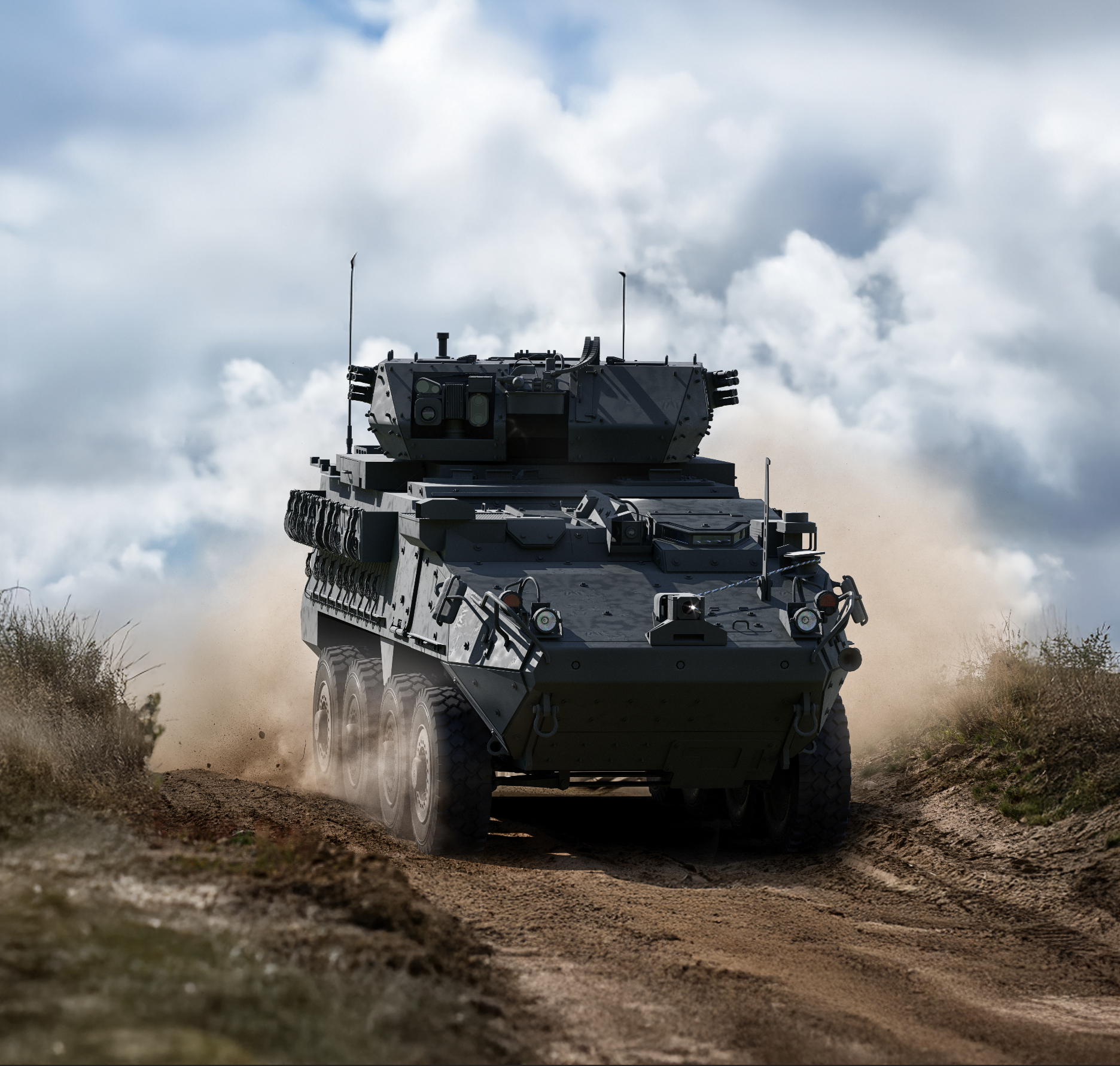
Jamming and contested terrain defeat GNSS-only navigation for patrol and resupply missions.
Sand, vibration, and temperature extremes exceed commercial component ratings.
Perimeter security, last-mile resupply, and mine-clearing missions cannot tolerate connectivity or sensor failure.
Mach Command coordinates multi-vehicle tasking across perimeter patrol, resupply, and search-and-rescue missions, while RadX and Perception hold detection steady in degraded visibility and Nexus maintains resilient connectivity through contested terrain
Mission planning and multi-vehicle tasking for patrol, resupply, and reconnaissance operations.
Phased array radar that penetrates dust, smoke, and degraded visibility for long-range detection.
Secure M2M telematics and resilient connectivity engineered for contested, GPS-degraded environments.
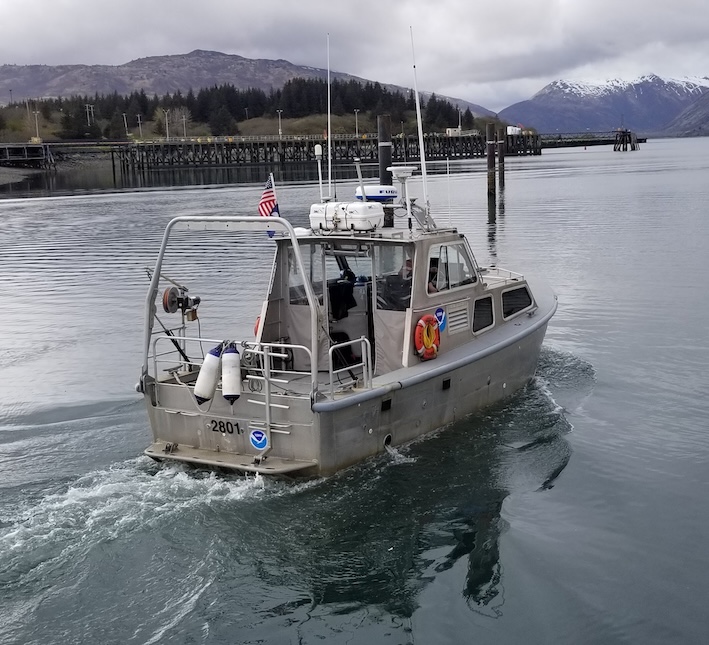
“Unmanned surface vessels equipped with Mach systems have supported maritime surveillance missions for the US Navy and NOAA, coordinating multi-vehicle tasking and maintaining detection and connectivity across contested and open-water conditions.”
— Unmanned Surface Vessel Program, US Navy & NOAA
Mission Completion Rate
Reliable navigation and perception in degraded, contested conditions.
Personnel Risk Exposure
Unmanned execution of patrol, resupply, and reconnaissance tasking in contested terrain.
Sensor Uptime, Degraded Conditions
Radar perception maintains function through dust, smoke, and low visibility.
Logistics Cycle Time
Coordinated multi-vehicle tasking compresses resupply cycles.
Review vehicle architecture, mission profile, and environmental requirements.
Validate autonomy and perception under representative contested conditions.
Scale to coordinated multi-vehicle mission tasking.
// Ready to scope Defense integration?
Autonomous haul trucks, drilling rigs, surface miners, and material handling across pits, quarries, and remote mine sites.
Mach transforms harvesting logistics through fully autonomous crop haulage machinery.
Our technology autonomously pairs multiple machines with harvesters for loading, dynamically dispatching vehicles without manual intervention.
Real-time fleet management via an intuitive tablet-based interface ensures seamless coordination of equipment movements—minimizing downtime and maximizing harvest efficiency.
Mach partnered with GUSS Automation to revolutionize precision spraying in orchards and vineyards, addressing challenges like labor shortages, tight operating spaces, and unreliable GNSS signals beneath dense canopies.
Leveraging advanced Lidar-based navigation, intuitive mapping interfaces, and seamless vehicle integration, Mach enabled GUSS’s autonomous sprayers to navigate challenging orchard environments without GNSS dependency.
With hundreds of autonomous sprayers deployed across more than 2 million acres, growers have achieved increased yield and crop quality, reduced chemical usage and operational costs by up to 35%, and enhanced sustainability through targeted spraying practices.
Mach’s autonomous solutions extend to livestock management, automating feeding processes in dairies and feed yards. Using Mach Perception’s advanced stereo vision and radar, our systems enable autonomous feed delivery vehicles to navigate barn or yard environments, detect obstacles like animals or equipment, and distribute precise amounts of feed based on real-time data from Mach Ops.
For dairies, this ensures consistent feeding schedules that improve milk production, while in feed yards, it optimizes feed distribution to enhance cattle growth rates.
This reduces labor demands and minimizes feed waste, addressing the high labor costs and inefficiencies often faced in livestock operations.
For row crops like corn, soybeans, and wheat, Mach enables autonomous tractors and implements to perform precision planting, spraying, and harvesting.
Mach Command ensures centimeter-level accuracy in planting patterns, while Mach Perception’s sensor fusion (combining stereo vision, radar, and Lidar) allows for real-time obstacle detection and row-following in challenging field conditions.
Mach Ops provides fleet coordination, enabling multiple machines to work together seamlessly, reducing overlap and improving efficiency.
This results in higher yields and lower input costs, addressing the labor shortages and resource constraints common in large-scale row crop farming.
Mach’s technology supports specialty crop growers, such as those producing tomatoes, lettuce, and other high-value crops, by enabling autonomous harvesting and weeding.
Mach Perception uses advanced computer vision to identify ripe produce—like tomatoes or lettuce heads—and guide robotic arms for gentle, precise picking, minimizing damage to delicate crops. For weeding, RadX Phased Array Radar penetrates dense foliage to detect weeds, enabling targeted removal without chemicals.
This reduces labor needs and supports sustainable practices, critical for specialty crop markets facing high labor costs and consumer demand for organic produce.
Mach enhances precision agriculture with implement automation for rate and section control, optimizing the application of seeds, fertilizers, and pesticides.
Mach Command integrates with smart implements to adjust application rates in real-time based on soil conditions, detected via Mach Perception’s sensors.
Section control ensures inputs are applied only where needed, reducing waste and environmental impact.
For example, in variable-rate seeding, Mach’s technology adjusts seed density based on soil fertility maps, improving yields while conserving resources—a key benefit for farmers aiming to balance productivity with sustainability.
Mach’s technology can be adapted for vertical farming and indoor agriculture, where precision and automation are critical.
Mach Perception’s sensors monitor environmental factors like light, humidity, and nutrient levels, enabling autonomous systems to adjust conditions for optimal plant growth.
Mach Command powers robotic arms for planting, tending, and harvesting in stacked systems, while Mach Nexus ensures seamless machine-to-machine communication in controlled environments.
This is ideal for urban farms growing leafy greens, herbs, or microgreens, where labor costs are high and space is limited.
For agroforestry systems and perennial crops like coffee, cocoa, or nut trees, Mach offers autonomous solutions for monitoring, maintenance, and harvesting.
Mach Perception’s sensors, including RadX radar, penetrate dense canopies to assess tree health, detect pests, or identify ripe fruit.
Autonomous vehicles equipped with Mach Command can navigate uneven terrain, performing tasks like pruning or targeted spraying.
Mach Ops enables long-term data collection to optimize intercropping strategies, supporting biodiversity and sustainability in agroforestry systems.
Mach’s RadX radar technology provides unparalleled visibility in challenging conditions. Unlike traditional sensors limited by dust, fog, or vegetation cover, RadX penetrates environmental obstacles to deliver accurate crop mass measurements, header height control, yield estimations, and vine cordon detection.
This ensures optimal harvesting performance even in adverse conditions, enhancing the precision of automated implements across all agricultural applications.
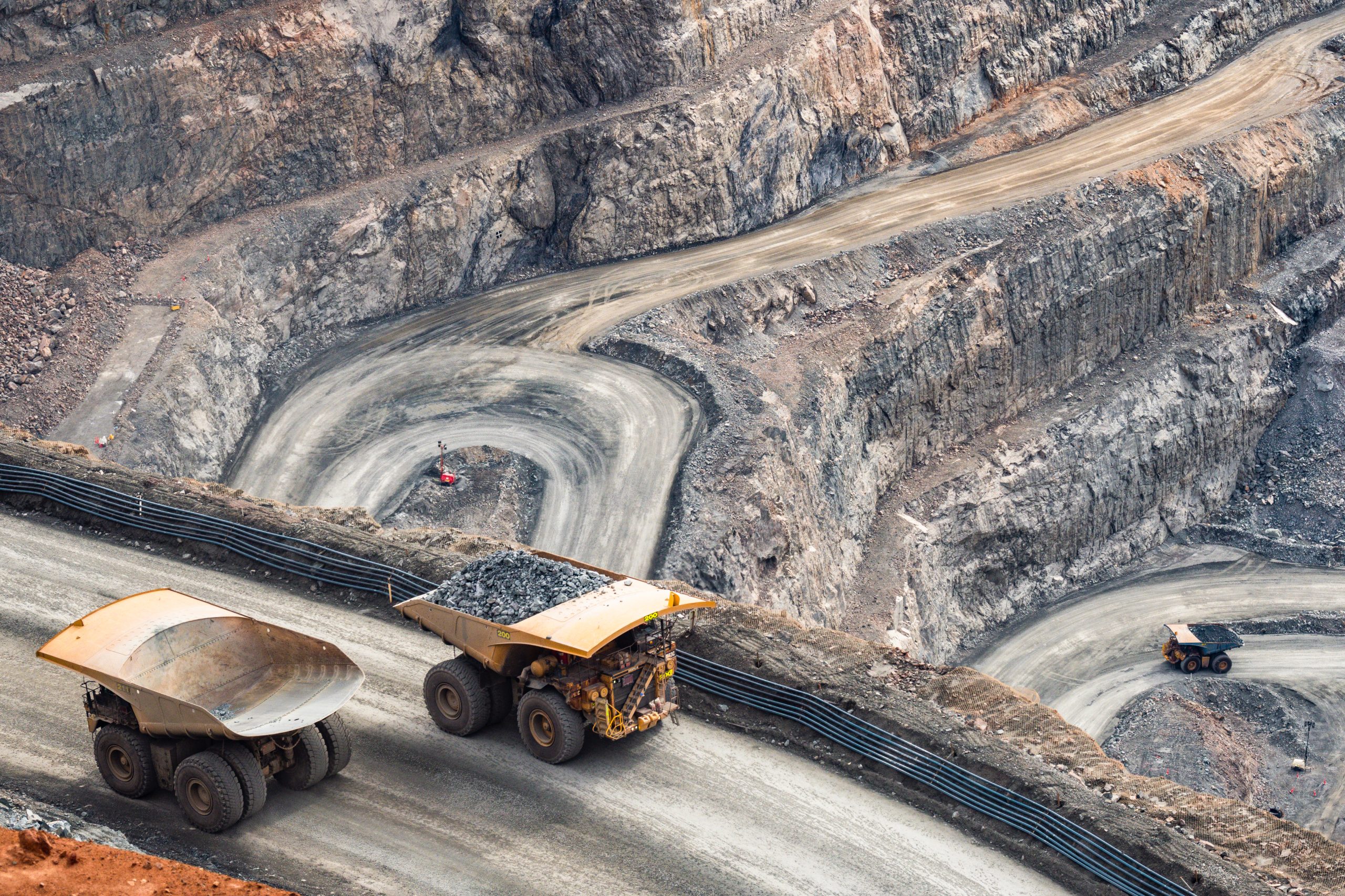
Mine sites often lack reliable cellular backhaul for fleet connectivity.
24-hour haul cycles leave no window for manual diagnostics or downtime.
Dust, grade, and proximity to personnel create high-consequence safety margins.
Mach Nexus keeps haul, drill, and material-handling fleets connected via secure M2M telematics with no cellular backhaul required, while RadX delivers long-range radar detection along active haul routes.
Secure M2M telematics and OTA delivery for haul route coordination with no cellular backhaul required.
Long-range phased array radar for personnel and equipment proximity detection at haul speed.
Fleet-wide haul and drill cycle coordination across continuous, round-the-clock operation.
“A haul truck platform deployed Mach Nexus across pit routes with no cellular backhaul, while RadX provided long-range detection for personnel and equipment proximity at haul speed.”
— Haul Truck Platform, Open-Pit Operations
Haul Cycle Efficiency
Coordinated routing and fewer unplanned stoppages across the pit.
Unplanned Stoppages
Remote diagnostics and M2M connectivity catch issues before failure.
Personnel Proximity Incidents
Continuous radar detection along active haul routes.
Fleet Connectivity Uptime
Secure M2M telematics maintains coordination without cellular backhaul.
Review haul truck or drill architecture and site connectivity profile.
Validate connectivity and detection along representative haul routes.
Scale to continuous, round-the-clock haul fleet coordination.
// Ready to scope Mining integration?
COLREGs-compliant unmanned surface vessels for fisheries surveillance, environmental monitoring, hydrographic survey, and port operations.
Mach transforms harvesting logistics through fully autonomous crop haulage machinery.
Our technology autonomously pairs multiple machines with harvesters for loading, dynamically dispatching vehicles without manual intervention.
Real-time fleet management via an intuitive tablet-based interface ensures seamless coordination of equipment movements—minimizing downtime and maximizing harvest efficiency.
Mach partnered with GUSS Automation to revolutionize precision spraying in orchards and vineyards, addressing challenges like labor shortages, tight operating spaces, and unreliable GNSS signals beneath dense canopies.
Leveraging advanced Lidar-based navigation, intuitive mapping interfaces, and seamless vehicle integration, Mach enabled GUSS’s autonomous sprayers to navigate challenging orchard environments without GNSS dependency.
With hundreds of autonomous sprayers deployed across more than 2 million acres, growers have achieved increased yield and crop quality, reduced chemical usage and operational costs by up to 35%, and enhanced sustainability through targeted spraying practices.
Mach’s autonomous solutions extend to livestock management, automating feeding processes in dairies and feed yards. Using Mach Perception’s advanced stereo vision and radar, our systems enable autonomous feed delivery vehicles to navigate barn or yard environments, detect obstacles like animals or equipment, and distribute precise amounts of feed based on real-time data from Mach Ops.
For dairies, this ensures consistent feeding schedules that improve milk production, while in feed yards, it optimizes feed distribution to enhance cattle growth rates.
This reduces labor demands and minimizes feed waste, addressing the high labor costs and inefficiencies often faced in livestock operations.
For row crops like corn, soybeans, and wheat, Mach enables autonomous tractors and implements to perform precision planting, spraying, and harvesting.
Mach Command ensures centimeter-level accuracy in planting patterns, while Mach Perception’s sensor fusion (combining stereo vision, radar, and Lidar) allows for real-time obstacle detection and row-following in challenging field conditions.
Mach Ops provides fleet coordination, enabling multiple machines to work together seamlessly, reducing overlap and improving efficiency.
This results in higher yields and lower input costs, addressing the labor shortages and resource constraints common in large-scale row crop farming.
Mach’s technology supports specialty crop growers, such as those producing tomatoes, lettuce, and other high-value crops, by enabling autonomous harvesting and weeding.
Mach Perception uses advanced computer vision to identify ripe produce—like tomatoes or lettuce heads—and guide robotic arms for gentle, precise picking, minimizing damage to delicate crops. For weeding, RadX Phased Array Radar penetrates dense foliage to detect weeds, enabling targeted removal without chemicals.
This reduces labor needs and supports sustainable practices, critical for specialty crop markets facing high labor costs and consumer demand for organic produce.
Mach enhances precision agriculture with implement automation for rate and section control, optimizing the application of seeds, fertilizers, and pesticides.
Mach Command integrates with smart implements to adjust application rates in real-time based on soil conditions, detected via Mach Perception’s sensors.
Section control ensures inputs are applied only where needed, reducing waste and environmental impact.
For example, in variable-rate seeding, Mach’s technology adjusts seed density based on soil fertility maps, improving yields while conserving resources—a key benefit for farmers aiming to balance productivity with sustainability.
Mach’s technology can be adapted for vertical farming and indoor agriculture, where precision and automation are critical.
Mach Perception’s sensors monitor environmental factors like light, humidity, and nutrient levels, enabling autonomous systems to adjust conditions for optimal plant growth.
Mach Command powers robotic arms for planting, tending, and harvesting in stacked systems, while Mach Nexus ensures seamless machine-to-machine communication in controlled environments.
This is ideal for urban farms growing leafy greens, herbs, or microgreens, where labor costs are high and space is limited.
For agroforestry systems and perennial crops like coffee, cocoa, or nut trees, Mach offers autonomous solutions for monitoring, maintenance, and harvesting.
Mach Perception’s sensors, including RadX radar, penetrate dense canopies to assess tree health, detect pests, or identify ripe fruit.
Autonomous vehicles equipped with Mach Command can navigate uneven terrain, performing tasks like pruning or targeted spraying.
Mach Ops enables long-term data collection to optimize intercropping strategies, supporting biodiversity and sustainability in agroforestry systems.
Mach’s RadX radar technology provides unparalleled visibility in challenging conditions. Unlike traditional sensors limited by dust, fog, or vegetation cover, RadX penetrates environmental obstacles to deliver accurate crop mass measurements, header height control, yield estimations, and vine cordon detection.
This ensures optimal harvesting performance even in adverse conditions, enhancing the precision of automated implements across all agricultural applications.
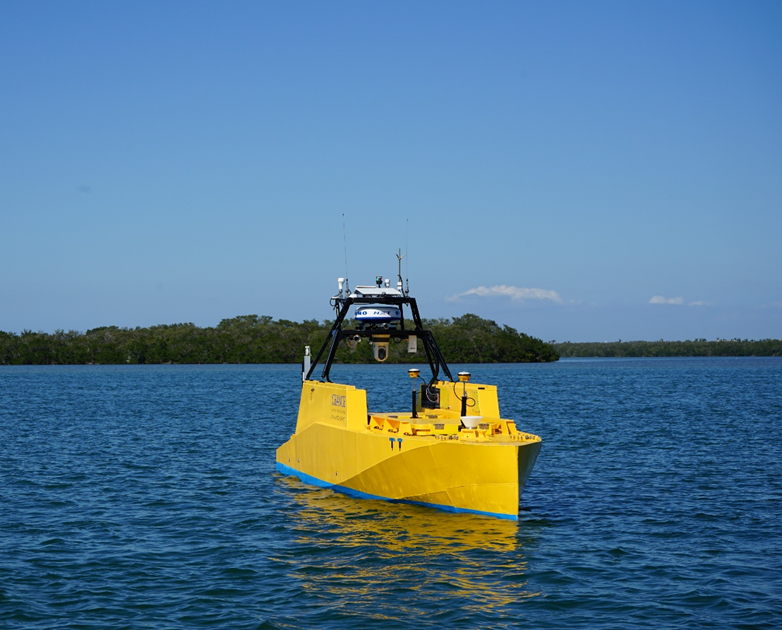
Salt, moisture, and vibration exceed standard automotive component ratings.
Vessels operate beyond reliable cellular range for extended survey and patrol missions.
Open water and harbor traffic require continuous, COLREGs-compliant object and vessel detection.
Mach Nexus sustains over-the-horizon connectivity via Starlink for extended offshore missions, while RadX and Perception provide continuous, COLREGs-compliant collision avoidance across open water and harbor traffic.
Over-the-horizon connectivity via Starlink, sustaining telemetry and command links on extended offshore missions.
Phased array radar for continuous, COLREGs-compliant collision avoidance across open water and harbor traffic.
Autonomous and remote path execution for fisheries surveillance, hydrographic survey, and port operations.
“Unmanned surface vessels built on the Mach stack support fisheries surveillance, environmental monitoring, and hydrographic survey missions, maintaining COLREGs-compliant collision avoidance and over-the-horizon connectivity via Starlink throughout extended offshore operation.”
— Unmanned Surface Vessel Deployment, Offshore & Port Operations
Onshore Crew Hours Saved
Remote piloting reduces the need for onboard crew on routine missions.
Collision Risk Incidents
Continuous radar-based detection across open water and harbor traffic.
Mission Duration
Starlink over-the-horizon connectivity sustains extended-range deployment.
Connectivity Uptime Offshore
Maintained telemetry and command links beyond cellular range.
Review vessel architecture, control systems, and mission profile.
Validate autonomy and collision avoidance in representative conditions.
Scale to extended-range, COLREGs-compliant fleet operation.
// Ready to scope Maritime integration?
Autonomous mowing, land clearing, and vegetation maintenance for utility corridors, solar fields, roadside ROW, and turf.
Mach transforms harvesting logistics through fully autonomous crop haulage machinery.
Our technology autonomously pairs multiple machines with harvesters for loading, dynamically dispatching vehicles without manual intervention.
Real-time fleet management via an intuitive tablet-based interface ensures seamless coordination of equipment movements—minimizing downtime and maximizing harvest efficiency.
Mach partnered with GUSS Automation to revolutionize precision spraying in orchards and vineyards, addressing challenges like labor shortages, tight operating spaces, and unreliable GNSS signals beneath dense canopies.
Leveraging advanced Lidar-based navigation, intuitive mapping interfaces, and seamless vehicle integration, Mach enabled GUSS’s autonomous sprayers to navigate challenging orchard environments without GNSS dependency.
With hundreds of autonomous sprayers deployed across more than 2 million acres, growers have achieved increased yield and crop quality, reduced chemical usage and operational costs by up to 35%, and enhanced sustainability through targeted spraying practices.
Mach’s autonomous solutions extend to livestock management, automating feeding processes in dairies and feed yards. Using Mach Perception’s advanced stereo vision and radar, our systems enable autonomous feed delivery vehicles to navigate barn or yard environments, detect obstacles like animals or equipment, and distribute precise amounts of feed based on real-time data from Mach Ops.
For dairies, this ensures consistent feeding schedules that improve milk production, while in feed yards, it optimizes feed distribution to enhance cattle growth rates.
This reduces labor demands and minimizes feed waste, addressing the high labor costs and inefficiencies often faced in livestock operations.
For row crops like corn, soybeans, and wheat, Mach enables autonomous tractors and implements to perform precision planting, spraying, and harvesting.
Mach Command ensures centimeter-level accuracy in planting patterns, while Mach Perception’s sensor fusion (combining stereo vision, radar, and Lidar) allows for real-time obstacle detection and row-following in challenging field conditions.
Mach Ops provides fleet coordination, enabling multiple machines to work together seamlessly, reducing overlap and improving efficiency.
This results in higher yields and lower input costs, addressing the labor shortages and resource constraints common in large-scale row crop farming.
Mach’s technology supports specialty crop growers, such as those producing tomatoes, lettuce, and other high-value crops, by enabling autonomous harvesting and weeding.
Mach Perception uses advanced computer vision to identify ripe produce—like tomatoes or lettuce heads—and guide robotic arms for gentle, precise picking, minimizing damage to delicate crops. For weeding, RadX Phased Array Radar penetrates dense foliage to detect weeds, enabling targeted removal without chemicals.
This reduces labor needs and supports sustainable practices, critical for specialty crop markets facing high labor costs and consumer demand for organic produce.
Mach enhances precision agriculture with implement automation for rate and section control, optimizing the application of seeds, fertilizers, and pesticides.
Mach Command integrates with smart implements to adjust application rates in real-time based on soil conditions, detected via Mach Perception’s sensors.
Section control ensures inputs are applied only where needed, reducing waste and environmental impact.
For example, in variable-rate seeding, Mach’s technology adjusts seed density based on soil fertility maps, improving yields while conserving resources—a key benefit for farmers aiming to balance productivity with sustainability.
Mach’s technology can be adapted for vertical farming and indoor agriculture, where precision and automation are critical.
Mach Perception’s sensors monitor environmental factors like light, humidity, and nutrient levels, enabling autonomous systems to adjust conditions for optimal plant growth.
Mach Command powers robotic arms for planting, tending, and harvesting in stacked systems, while Mach Nexus ensures seamless machine-to-machine communication in controlled environments.
This is ideal for urban farms growing leafy greens, herbs, or microgreens, where labor costs are high and space is limited.
For agroforestry systems and perennial crops like coffee, cocoa, or nut trees, Mach offers autonomous solutions for monitoring, maintenance, and harvesting.
Mach Perception’s sensors, including RadX radar, penetrate dense canopies to assess tree health, detect pests, or identify ripe fruit.
Autonomous vehicles equipped with Mach Command can navigate uneven terrain, performing tasks like pruning or targeted spraying.
Mach Ops enables long-term data collection to optimize intercropping strategies, supporting biodiversity and sustainability in agroforestry systems.
Mach’s RadX radar technology provides unparalleled visibility in challenging conditions. Unlike traditional sensors limited by dust, fog, or vegetation cover, RadX penetrates environmental obstacles to deliver accurate crop mass measurements, header height control, yield estimations, and vine cordon detection.
This ensures optimal harvesting performance even in adverse conditions, enhancing the precision of automated implements across all agricultural applications.
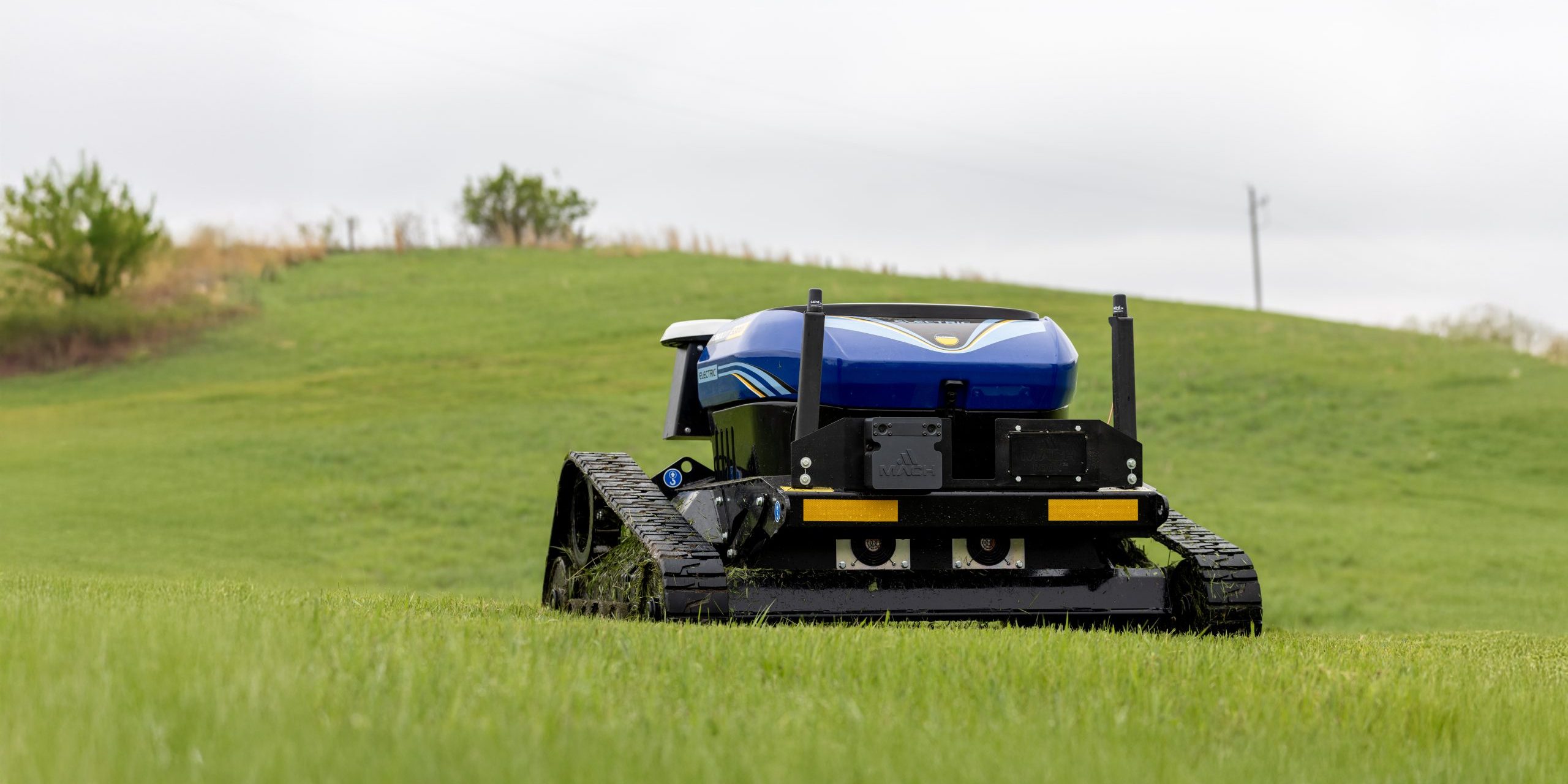
Steep slopes and roadside conditions put operators at risk during manual mowing and clearing.
Utility corridors, solar fields, and ROW segments span remote areas with minimal cellular infrastructure.
Crews managing multiple machines across long corridors lack real-time visibility.
Mach RadX penetrates dense vegetation and canopy to detect obstacles other sensors miss, while Mach Command executes slope-aware autonomous coverage across mowing and mulching passes — connected by Nexus across corridors with no cellular coverage.
Phased array radar that penetrates dense vegetation and canopy for reliable obstacle detection.
Slope-aware autonomous path execution for mowing, mulching, and clearing across roadside and corridor terrain.
M2M connectivity that keeps crews connected along remote corridor and solar-field segments.
“A right-of-way mowing and mulching fleet integrated RadX and Command to operate autonomously on variable-slope terrain along utility corridors, with Nexus keeping units coordinated across segments with no cellular coverage.”
— Right-of-Way & Utility Corridor Vegetation Program
Operator Hazard Exposure
Operators no longer positioned on steep slopes or roadside hazard zones.
Coverage Rate
Autonomous operation sustains pace across longer corridor segments.
Fuel & Input Efficiency
Consistent path execution reduces overlap and re-work passes.
Fleet Visibility Gaps
M2M connectivity keeps units tracked along corridors without cellular.
Review mower/mulcher architecture, slope rating, and corridor profile.
Validate slope-aware autonomy on representative right-of-way terrain.
Scale across crews with remote fleet monitoring via Nexus connectivity.
// Ready to scope Landcare integration?
Autonomous forklifts, yard trucks, and AMRs for warehouse, yard, and port material handling operations.
Mach transforms harvesting logistics through fully autonomous crop haulage machinery.
Our technology autonomously pairs multiple machines with harvesters for loading, dynamically dispatching vehicles without manual intervention.
Real-time fleet management via an intuitive tablet-based interface ensures seamless coordination of equipment movements—minimizing downtime and maximizing harvest efficiency.
Mach partnered with GUSS Automation to revolutionize precision spraying in orchards and vineyards, addressing challenges like labor shortages, tight operating spaces, and unreliable GNSS signals beneath dense canopies.
Leveraging advanced Lidar-based navigation, intuitive mapping interfaces, and seamless vehicle integration, Mach enabled GUSS’s autonomous sprayers to navigate challenging orchard environments without GNSS dependency.
With hundreds of autonomous sprayers deployed across more than 2 million acres, growers have achieved increased yield and crop quality, reduced chemical usage and operational costs by up to 35%, and enhanced sustainability through targeted spraying practices.
Mach’s autonomous solutions extend to livestock management, automating feeding processes in dairies and feed yards. Using Mach Perception’s advanced stereo vision and radar, our systems enable autonomous feed delivery vehicles to navigate barn or yard environments, detect obstacles like animals or equipment, and distribute precise amounts of feed based on real-time data from Mach Ops.
For dairies, this ensures consistent feeding schedules that improve milk production, while in feed yards, it optimizes feed distribution to enhance cattle growth rates.
This reduces labor demands and minimizes feed waste, addressing the high labor costs and inefficiencies often faced in livestock operations.
For row crops like corn, soybeans, and wheat, Mach enables autonomous tractors and implements to perform precision planting, spraying, and harvesting.
Mach Command ensures centimeter-level accuracy in planting patterns, while Mach Perception’s sensor fusion (combining stereo vision, radar, and Lidar) allows for real-time obstacle detection and row-following in challenging field conditions.
Mach Ops provides fleet coordination, enabling multiple machines to work together seamlessly, reducing overlap and improving efficiency.
This results in higher yields and lower input costs, addressing the labor shortages and resource constraints common in large-scale row crop farming.
Mach’s technology supports specialty crop growers, such as those producing tomatoes, lettuce, and other high-value crops, by enabling autonomous harvesting and weeding.
Mach Perception uses advanced computer vision to identify ripe produce—like tomatoes or lettuce heads—and guide robotic arms for gentle, precise picking, minimizing damage to delicate crops. For weeding, RadX Phased Array Radar penetrates dense foliage to detect weeds, enabling targeted removal without chemicals.
This reduces labor needs and supports sustainable practices, critical for specialty crop markets facing high labor costs and consumer demand for organic produce.
Mach enhances precision agriculture with implement automation for rate and section control, optimizing the application of seeds, fertilizers, and pesticides.
Mach Command integrates with smart implements to adjust application rates in real-time based on soil conditions, detected via Mach Perception’s sensors.
Section control ensures inputs are applied only where needed, reducing waste and environmental impact.
For example, in variable-rate seeding, Mach’s technology adjusts seed density based on soil fertility maps, improving yields while conserving resources—a key benefit for farmers aiming to balance productivity with sustainability.
Mach’s technology can be adapted for vertical farming and indoor agriculture, where precision and automation are critical.
Mach Perception’s sensors monitor environmental factors like light, humidity, and nutrient levels, enabling autonomous systems to adjust conditions for optimal plant growth.
Mach Command powers robotic arms for planting, tending, and harvesting in stacked systems, while Mach Nexus ensures seamless machine-to-machine communication in controlled environments.
This is ideal for urban farms growing leafy greens, herbs, or microgreens, where labor costs are high and space is limited.
For agroforestry systems and perennial crops like coffee, cocoa, or nut trees, Mach offers autonomous solutions for monitoring, maintenance, and harvesting.
Mach Perception’s sensors, including RadX radar, penetrate dense canopies to assess tree health, detect pests, or identify ripe fruit.
Autonomous vehicles equipped with Mach Command can navigate uneven terrain, performing tasks like pruning or targeted spraying.
Mach Ops enables long-term data collection to optimize intercropping strategies, supporting biodiversity and sustainability in agroforestry systems.
Mach’s RadX radar technology provides unparalleled visibility in challenging conditions. Unlike traditional sensors limited by dust, fog, or vegetation cover, RadX penetrates environmental obstacles to deliver accurate crop mass measurements, header height control, yield estimations, and vine cordon detection.
This ensures optimal harvesting performance even in adverse conditions, enhancing the precision of automated implements across all agricultural applications.
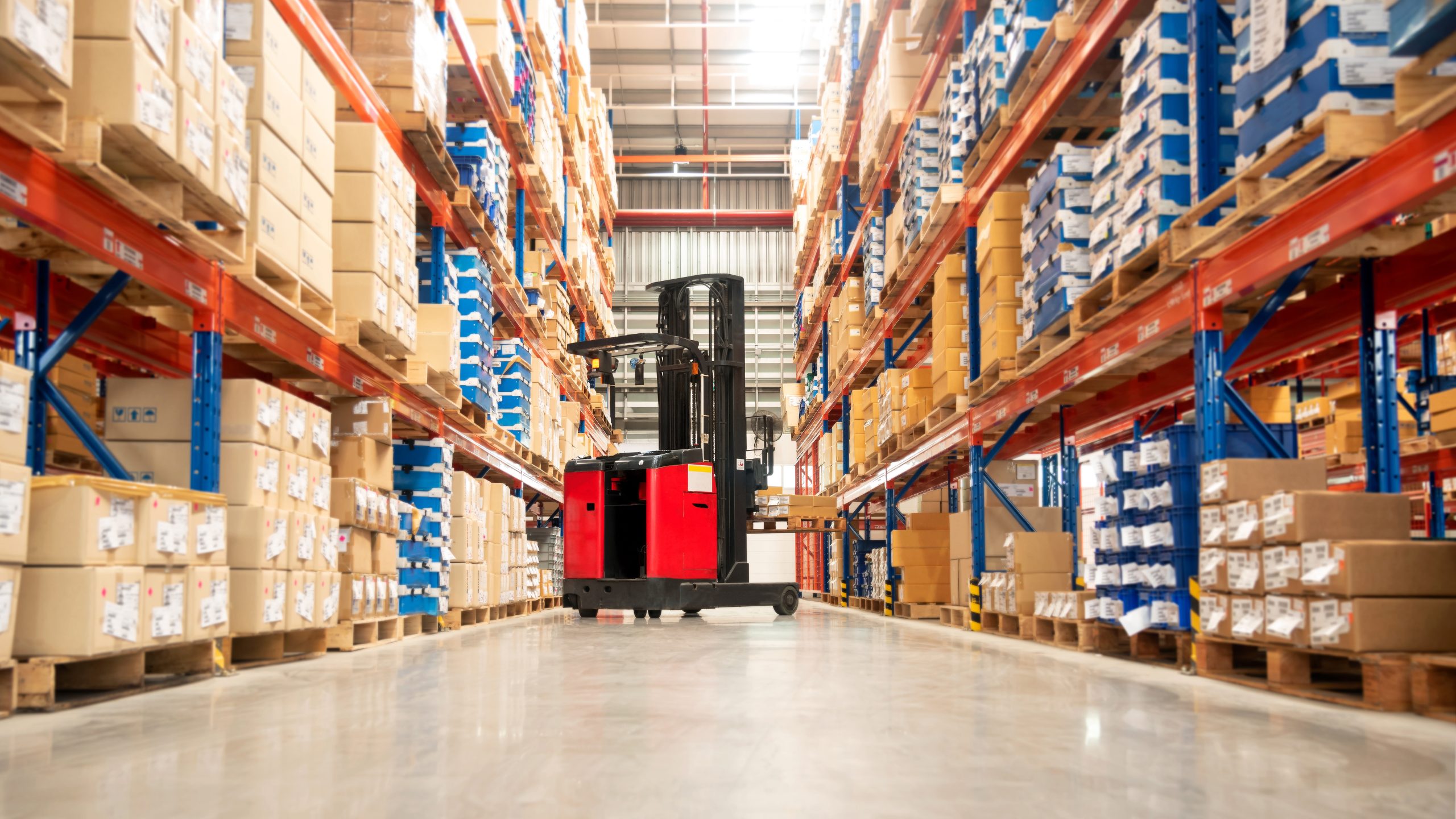
Warehouse and yard operations run multiple shifts with persistent forklift and yard-truck staffing gaps.
Manual material handling caps how fast goods move from dock to storage to outbound.
Forklifts, yard trucks, and AMRs share tight aisles and yards with workers on foot.
Mach Ops gives warehouse and yard managers a cloud-based UI for fleet planning, real-time monitoring, and throughput analytics, while Perception keeps forklifts, yard trucks, and AMRs personnel-safe in tight, high-traffic spaces.
Cloud-based fleet management with real-time monitoring and throughput analytics across forklifts, yard trucks, and AMRs.
Stereo vision and sensor fusion for personnel-safe navigation in tight aisles and high-traffic yards.
Centralized path planning and coordination across forklift, yard truck, and AMR fleets.
“A yard truck fleet integrated with the Mach stack increased throughput by up to 30%, with Mach Ops giving operations managers real-time visibility into fleet status and Perception maintaining personnel-safe navigation across the yard.”
— Autonomous Yard Truck Fleet, Distribution & Port Operations
Yard Throughput Increase
Coordinated autonomous yard-truck routing reduces dwell time between dock and storage.
Personnel Proximity Incidents
Continuous personnel detection across tight aisles and high-traffic yards.
Fleet Utilization
Cloud-based scheduling keeps forklifts and yard trucks in productive cycles longer.
Multi-Shift Operation
Autonomous fleets sustain throughput across shifts without staffing gaps.
Review forklift, yard truck, or AMR architecture and facility layout.
Validate personnel-safe autonomy in representative warehouse or yard conditions.
Scale across shifts with cloud-based fleet monitoring and analytics.
// Ready to scope Logistics integration?
Vehicles Commercialized
Across agriculture, construction, defense, mining, maritime, landcare, and logistics & material handling.
Driverless Miles
Logged in commercial operation, not test tracks.
Countries
Active deployments spanning six continents of operating conditions.
Years in Production
Real machines, real customers, real environments — over a decade.
Tell us about your platform, your operating environment, and your industry. A Mach engineer will scope the integration and send you the full technical brief.
Talk to a Mach engineer about platform integration, sensing, connectivity, and autonomy architecture for your machine.
Evaluating autonomy for a specific industry or fleet program? Let's scope the integration for your use case.
See how Command, Nexus, Perception, Ops, and RadX work together as a unified OEM integration platform.
View Full Platform→