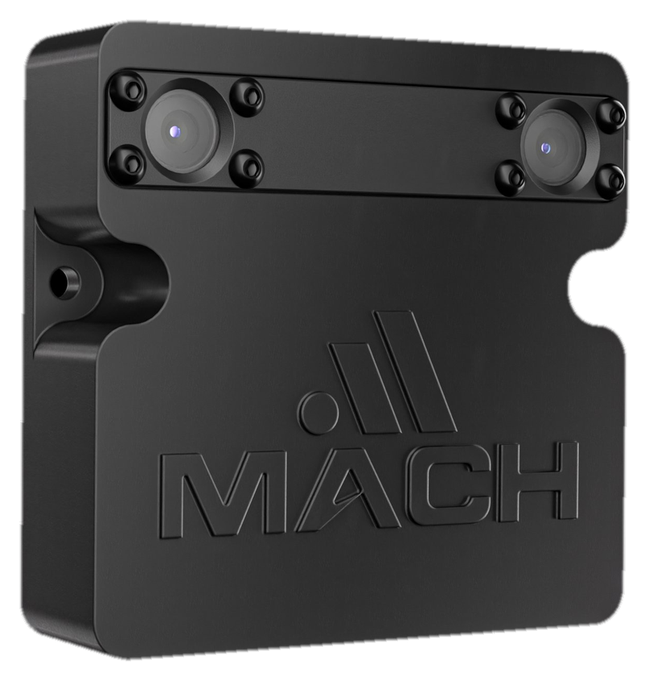
40 TOPS
NVIDIA Orin Nano
IP67
MIL-STD-810
120 dB
HDR Stereo
Most autonomous programs don't fail because of software. They fail because the perception hardware wasn't built for the environment. Standard stereo cameras perform well in lab conditions. Off-highway machines don't operate in labs.
Every condition below has ended a real autonomous program. Perception was designed to keep running through all of them.
Construction sites, agricultural fields, and mining haul roads generate enough airborne debris to blind standard cameras within minutes.
A machine moving from shade into direct sun, or working at dawn and dusk, overwhelms standard cameras with ~60 dB dynamic range.
Off-highway machines transmit continuous shock loads that cause calibration drift in sensors not rated to MIL-STD-810 standards.
Orchards, forests, underground facilities, and dense urban environments degrade or eliminate satellite positioning - the machine must navigate on its own.
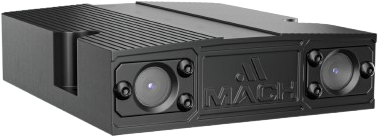
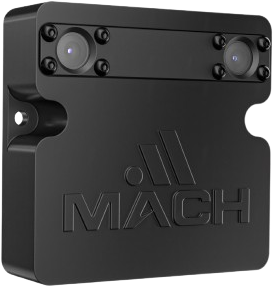
Perception is a complete, integrated stereo vision compute platform — not a camera module that needs a separate box. The sensor, compute, and AI runtime ship as a single ruggedized unit your engineering team can mount and integrate through CAN or Ethernet.
Detect and classify obstacles in real time — people, vehicles, equipment, and terrain features — even in dust, backlit scenes, or mixed lighting that defeats standard cameras. 120 dB HDR means your machine sees the obstacle in the shadow and the bright sky above it in a single frame.
Visual odometry, visual localization, and row following give your machine accurate positioning when satellite signals are gone. Proven in dense orchard canopy and underground environments where RTK drops out entirely.
40 TOPS of onboard AI compute runs your perception models locally — no cloud dependency, no cellular latency in the safety loop. The machine stops for the person standing in its path whether it has signal or not.
Stereo vision alone isn't enough in every environment. Perception is designed to integrate with Mach RadX radar — adding through-dust and through-rain detection where cameras reach their limits. One platform, every modality.
Mach perception technology runs in production on autonomous vehicles today — not pilots, not demos. These are operating deployments in the environments that matter.
Every number below exists because off-highway autonomy demanded it — not because it was the easiest spec to hit.
HDR Dynamic Range
Wide dynamic range captures shadow and highlight detail in one frame.
Onboard AI Compute
NVIDIA Jetson Orin Nano. Enough headroom to run Mach perception models and leave capacity for your custom networks.
Ingress Protection
Dust-tight. 30 minutes at 1 meter submersion. MIL-STD-810 vibration and shock. Deployed in real machines, not labs.
Operating Window
−30 °C to +70 °C operating. −40 °C to +85 °C storage. Scandinavia in winter. Arizona in summer. Saudi Arabia in between.
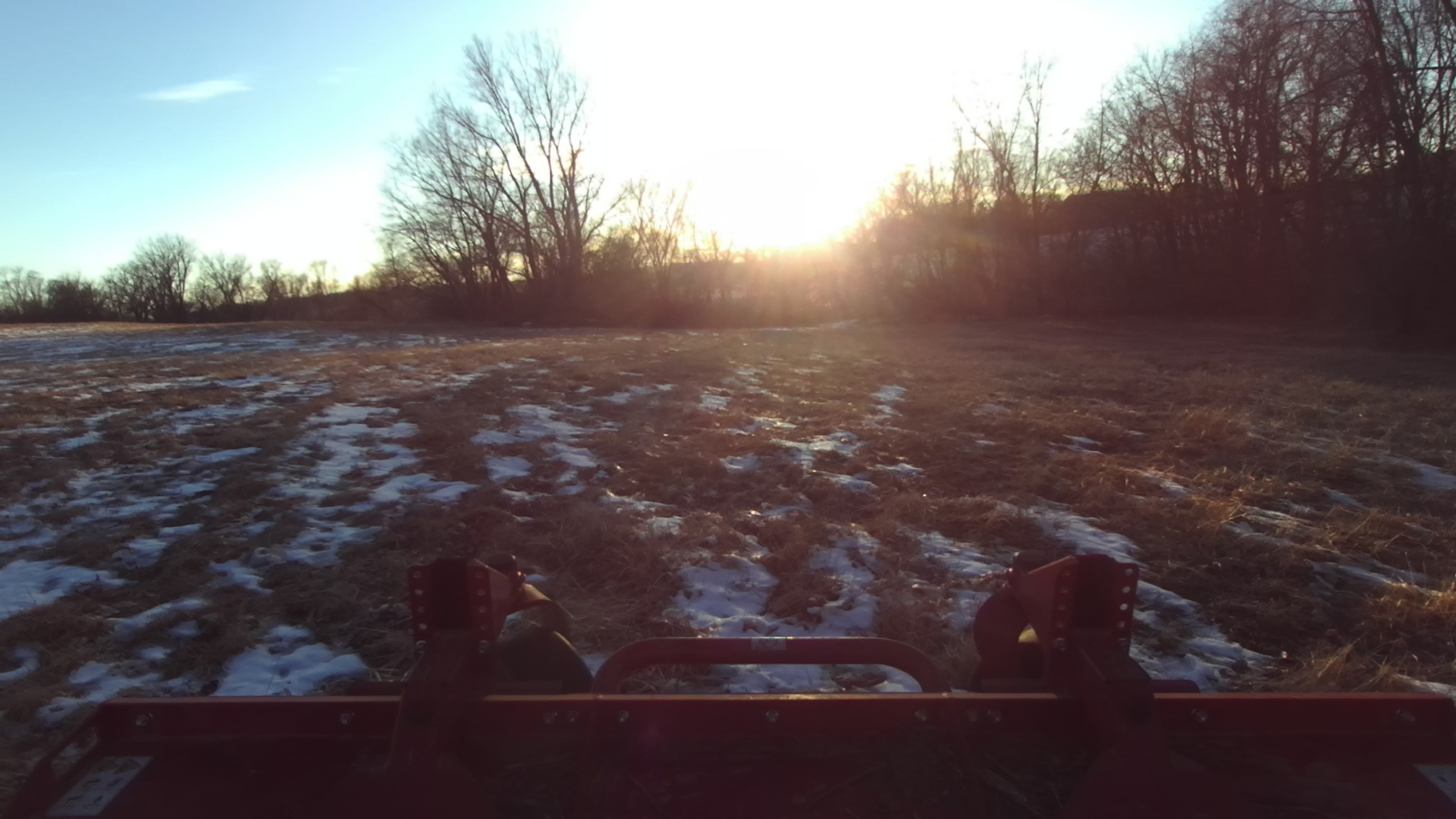
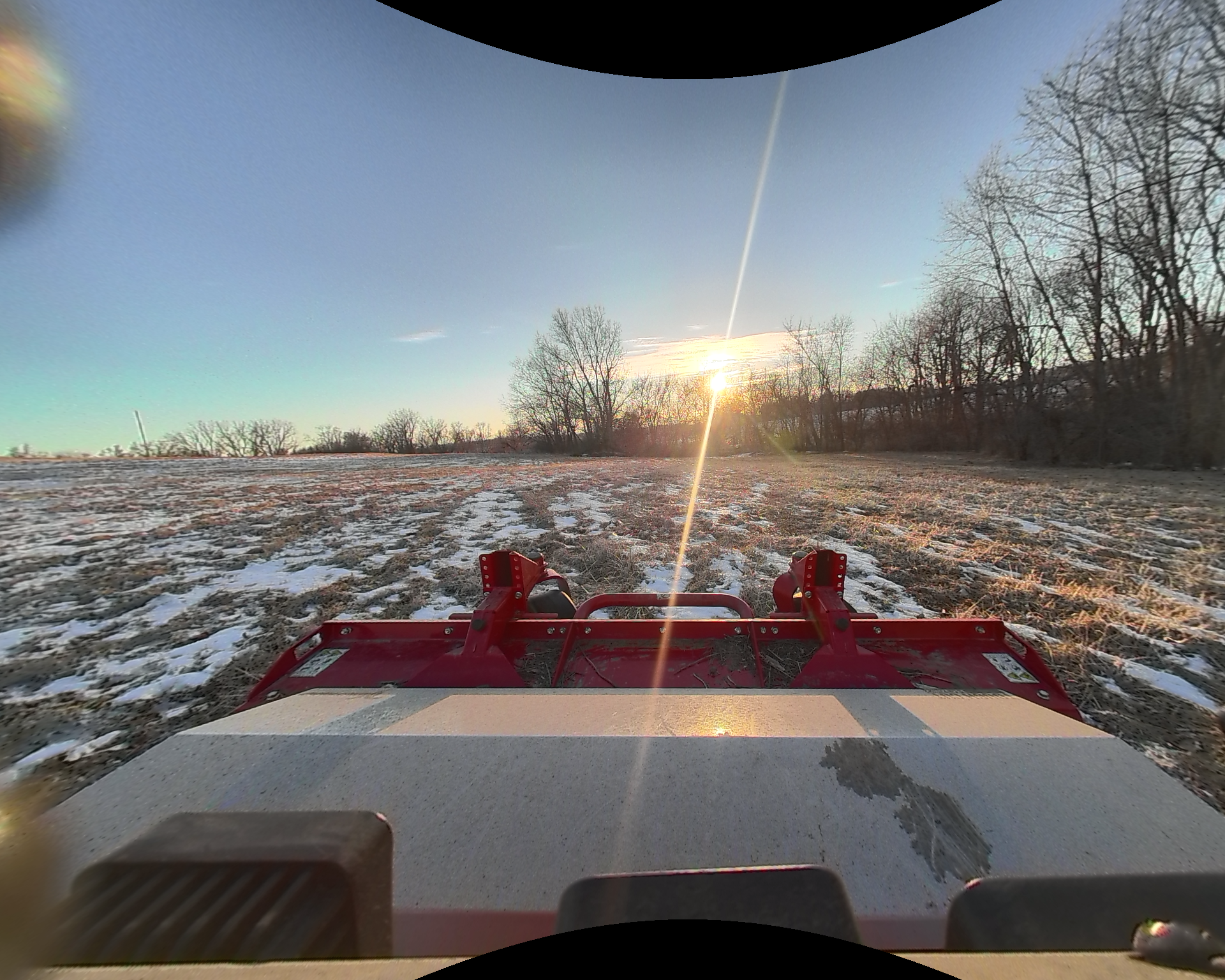
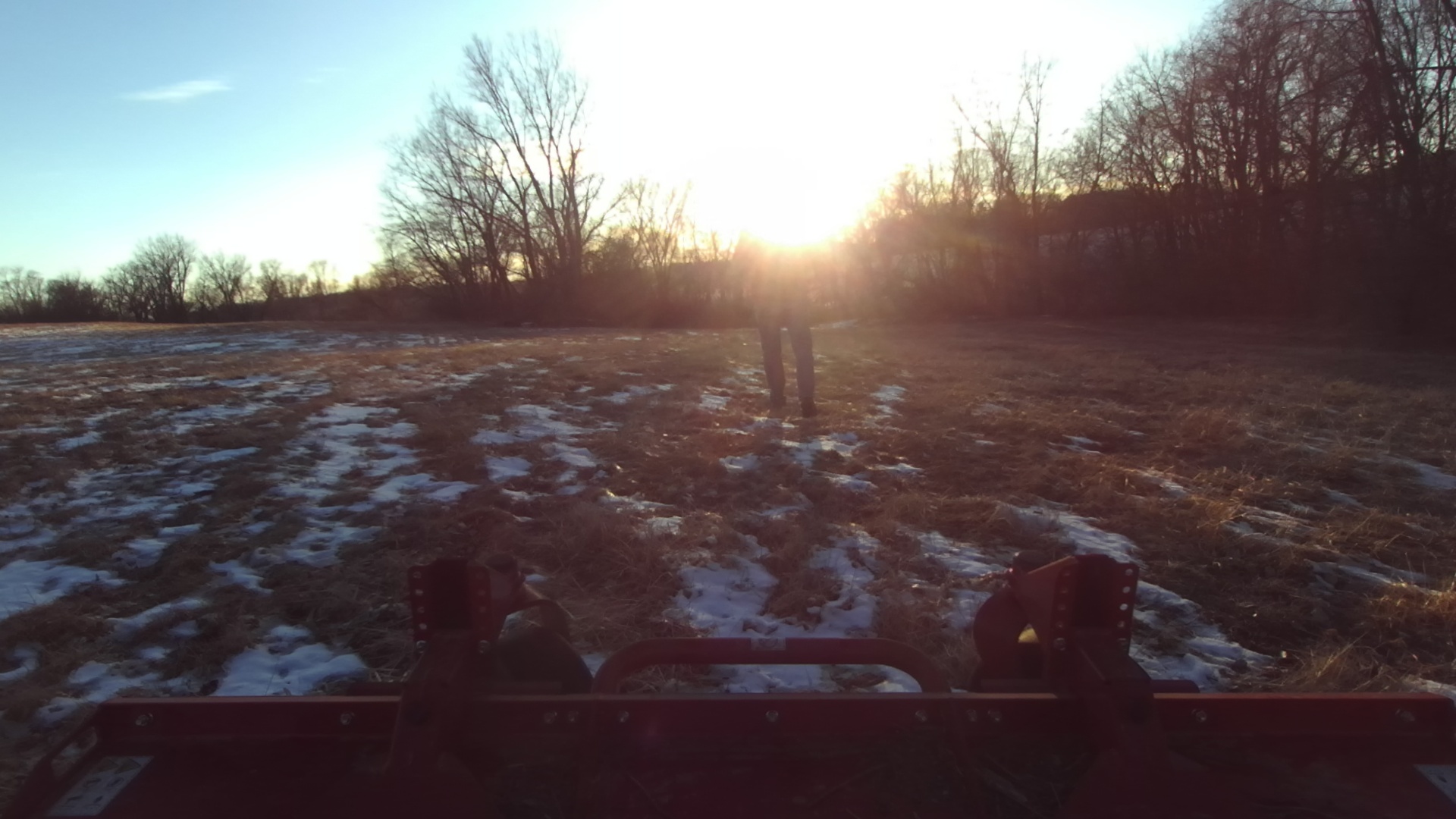
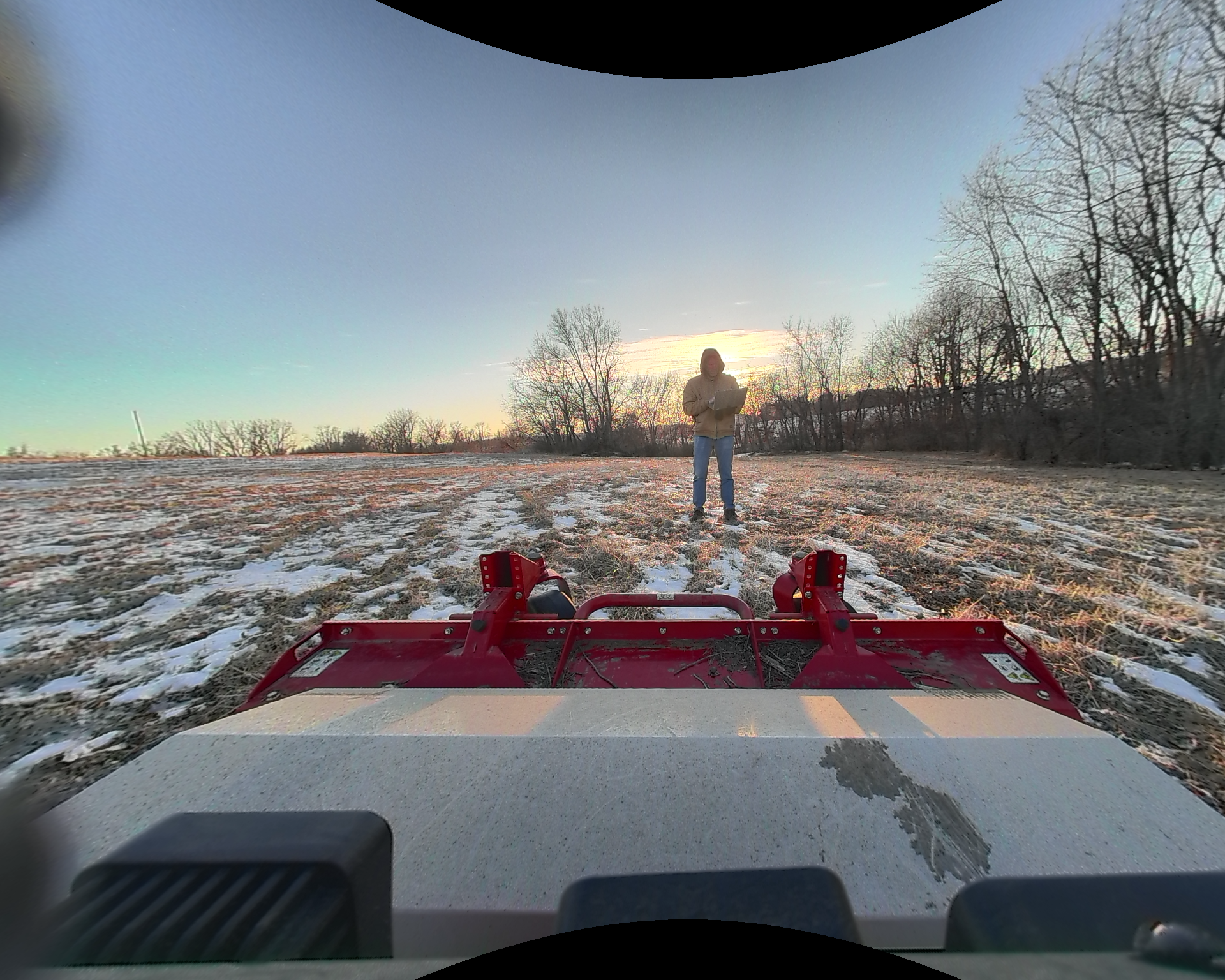
110° H × 90° V field of view. 0.3–20 m depth estimation. Calibrated stereo baseline with no latency mismatch between sensors.
1024 CUDA + 32 Tensor cores. 8 GB LPDDR5 unified memory. M.2 NVMe storage. Internal 6-DoF IMU. Run Mach models or deploy your own.
Full dust ingress protection. 30-minute submersion at 1 m. MIL-STD-810 shock and vibration — no calibration drift under continuous load. Two form factors: horizontal and vertical mount
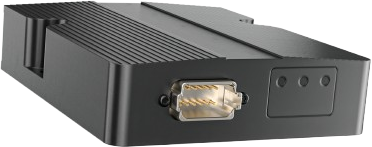
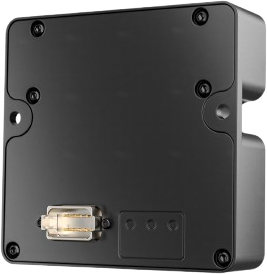
CAN bus + 100/1000Base-TX Gigabit Ethernet. 9–32 VDC input, 3 A max. Integrates directly with Mach Command, Nexus, and RadX — or your own control architecture.
Perception is designed to plug into Mach's full autonomy platform — or to integrate into your existing architecture. You don't need to adopt the whole stack to use the best perception hardware.
CAN + Ethernet output. Mount it, power it, receive detections. No other Mach hardware required.
Open neural network architecture — deploy Mach's pre-trained detection and localization models, or bring your own. Perception runs on the edge. No cloud subscription required for the safety loop.
Combine with Mach Command, Nexus, RadX, and Ops Cloud when you're ready for a complete autonomy platform.
Horizontal and vertical mount options to fit your machine's envelope and cable routing.
Perception doesn't need to be adapted for your application — it was built for all of them. The same ruggedized hardware runs in every deployment below.
Row following, obstacle detection, and visual localization for autonomous sprayers and harvesters under full tree canopy where GPS can't reach.
Collision avoidance for autonomous graders, rollers, and compactors operating in heavy dust and variable lighting across active job sites.
Haul truck guidance and perimeter awareness in underground and open-pit environments where radio blackouts and dust are constant.
UGV perception in GPS-degraded, communications-denied environments. Edge AI ensures safe-stop operates independently of any external signal.
Most OEM integrations start with a technical brief. Tell us about your platform, your environment, and your autonomy roadmap — and we'll scope the integration path.
Full technical datasheet including CAD drawings, electrical interface spec, mounting dimensions, and SDK documentation.
Discuss your platform architecture, interface requirements, and how Perception fits your autonomy roadmap with a Mach engineer.
See Perception running in conditions similar to your deployment environment. We bring the hardware to you or demo at a Mach facility.
Book a Demo →