Phased ArrayPatent-Pending
IP67−40°C to +85°C
250 m+Detection Range
Real operational footage — not a lab demo, not a controlled environment. Watch RadX detect obstacles in the conditions that stop conventional vision systems.
Most autonomous programs don't fail because of software. They fail because the perception hardware wasn't built for the environment. Cameras perform well in lab conditions. Off-highway machines don't operate in labs.
Every condition below has stopped a real autonomous program. RadX was built to keep running through all of them.
The commercial risk is real. Every false stop costs throughput. Every missed obstacle is a liability event. Every perception system that fails in field conditions puts your autonomy program timeline — and your OEM roadmap — at risk. Your customers can't find operators. Your machines need to run without them. And your competitors are already integrating autonomy.
Agricultural fields, construction sites, and mining haul roads generate enough airborne debris to reduce camera effective range to near zero within seconds of activity starting.
Foliage, crop canopy, and undergrowth defeat optical systems entirely. Obstacles — personnel, posts, equipment — sitting behind plant matter are invisible to vision-only platforms.
Precipitation introduces scatter, noise, and sustained occlusion across the camera array. Effective detection range collapses under severe weather — exactly when safer autonomous operation matters most.
Night operations, harvest shifts, and low-angle sun create photometric conditions where vision-based detection becomes unreliable. Radar is unaffected by ambient light in any direction.
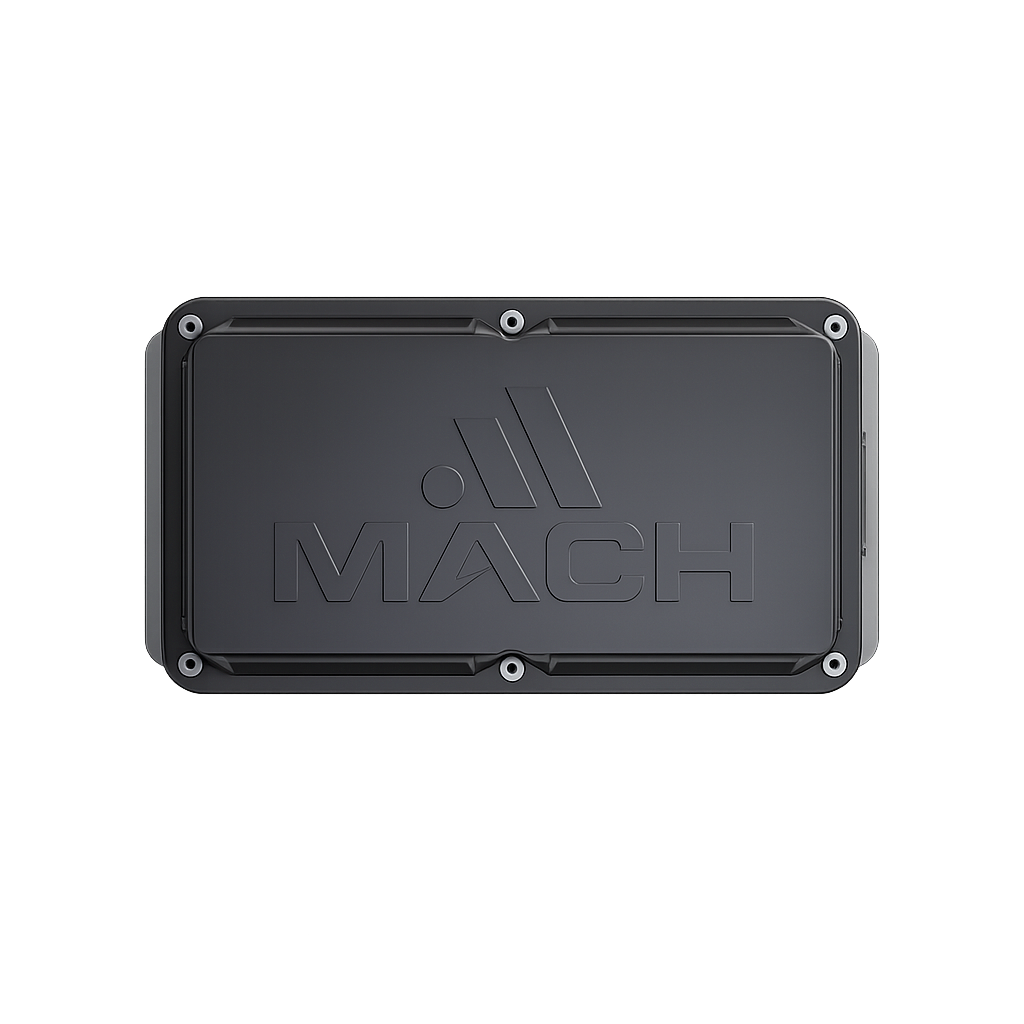
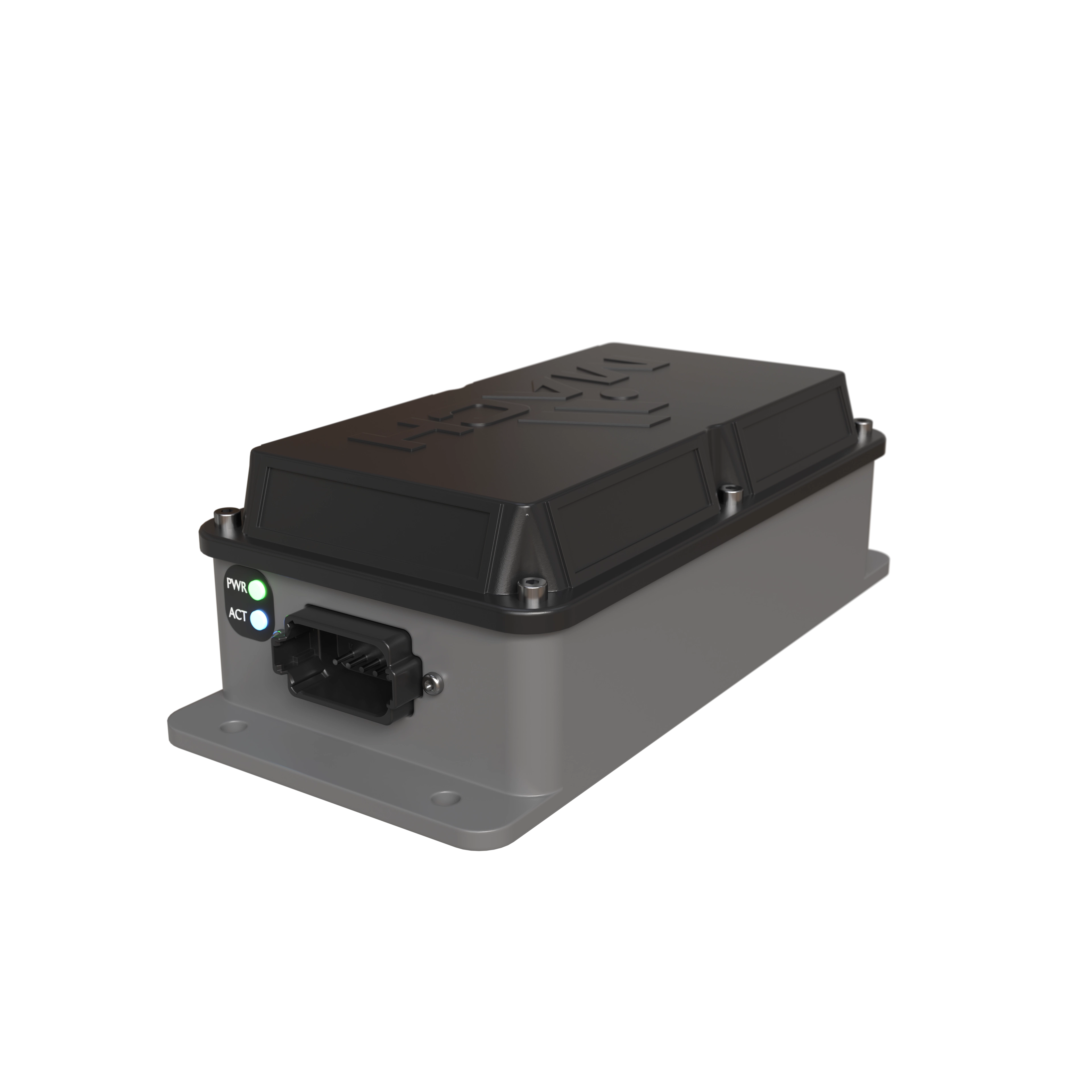
RadX is a complete, integrated phased array radar compute platform — not a sensor that needs a separate box. Patent-pending electronic beam steering, onboard processing, and fusion-ready output ship as a single ruggedized unit your engineering team can mount and integrate through CAN or Ethernet.
// Competitive moat: Patent-pending phased array architecture. No moving parts. No royalty-bearing component dependencies. No calibration drift under continuous load. Built to integrate into your machine's BOM permanently.
View Technical Brief →Detect stationary and moving obstacles — personnel, equipment, berm edges, and terrain changes — at operational distances across challenging visibility conditions. Radar sensing supports perception in dust, rain, fog, and low-light environments.
Radar sensing can detect obstacles within or behind vegetation and heavy undergrowth at operational distances, supporting perception where optical visibility may be limited.
RadX provides radar sensing for the MACH perception stack. Agreement between radar and camera data can support detection confidence, while differences between sensing modalities can inform perception and safety logic.
RadX is designed for deployment in demanding industrial field environments. Protection rating, operating temperature range, vibration rating, and test-condition values are pending Engineering approval.
// // Full technical specification sheet available on request — no CAPTCHA
RadX runs in production on autonomous vehicles today — not pilots, not demos. These are operating deployments in the environments where visibility is the challenge.
Every number below exists because harsh-environment autonomy demanded it. Patent-pending phased array architecture. No moving parts. No compromise.
Detection Range
Operational obstacle detection at distances that give autonomous systems time to respond and plan safely at field speeds.
Field Coverage
Full hemispherical scanning with configurable zone prioritization. No blind spots. Near-field and far-field detection simultaneously active.
Ingress Protection
Dust-tight. 30 minutes at 1 meter submersion. Vibration-rated for heavy equipment platforms. Engineered for the machine, not the test bench.
Light Required
Radar propagates independent of ambient light. Night operations, 24-hour shifts, underground environments — RadX performance is unaffected.
Microsecond beam repositioning via electronic phase control. Simultaneous multi-zone scanning. 10 Hz+ update rate. No mechanical wear, no calibration drift under continuous load. Available in RadX and RadXL variants for platform-specific requirements.
Multi-target simultaneous tracking with 0.1 m/s velocity resolution. Distinguishes stationary obstacles from moving personnel and vehicles for appropriate autonomy response prioritization. Structured detection output plus point cloud.
Full dust ingress protection. 30-minute submersion at 1 m. Heavy equipment vibration rating. −40°C to +85°C operating range. No performance degradation under continuous industrial field load. RadX and RadXL variants available.
CAN bus + 100/1000Base-TX Gigabit Ethernet. 12V / 24V DC input. ROS 2 native support. OEM SDK available. Integrates directly with Mach Perception, Command, Nexus, and Pilot — or your own control architecture.
RadX is designed to plug into Mach's full autonomy platform — or to integrate into your existing architecture. You don't need to adopt the whole stack to add the best radar perception hardware.
CAN + Ethernet output. Mount it, power it, receive detections. No other Mach hardware required to gain radar perception.
Phased array beam steering with no royalty-bearing component dependencies. Deploy RadX on your platform with confidence in a protected technology moat.
Combine with Mach Perception, Command, Nexus, and Ops Cloud when you're ready for a complete autonomy platform with full redundancy.
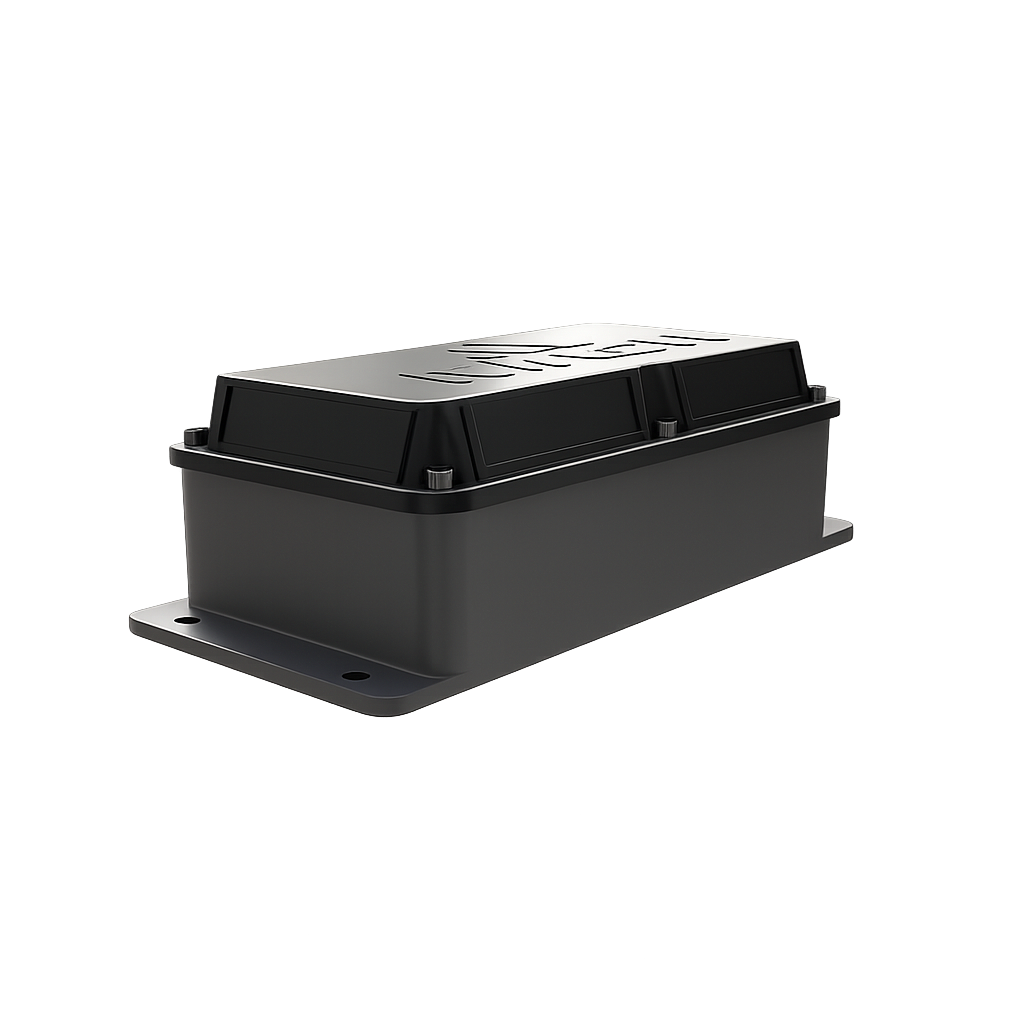
RadX and RadXL variants to fit your machine's installation envelope, mounting requirements, and cable routing.
Drop-in for tight installation spaces.
Angled mount configuration. Same ruggedized enclosure, CAN + Ethernet interface spec.
RadX doesn't need to be adapted for your application — it was built for all of them. The same ruggedized hardware runs in every deployment below.
Obstacle detection and perimeter awareness for autonomous harvesters and sprayers operating through harvest dust events and full crop canopy where cameras struggle.
See Agriculture Integration →Haul road and pit perimeter awareness in sustained particulate environments where blast residue and crusher dust maintain near-zero visibility through active shifts.
See Mining Integration →Harvesting and extraction in dense canopy environments where optical sensing loses effectiveness. Detection through foliage and debris fields that defeat vision-only platforms.
See Forestry Integration →Grading, compaction, and materials handling on active sites where dust, steam, and process vapors create sustained visibility challenges across shift operations.
See Construction Integration →Tell us about your platform, your operating environment, and your autonomy roadmap. A Mach engineer will scope the RadX integration path and send you the full spec sheet.